

The A24 Obsessive

You need the walls closing in before a feeling can land.

A curated taste example. Every pick starts with atmosphere over plot, discomfort over comfort, and an obsession with what a story refuses to explain.

0 followers · 0 following
Your Taste DNA

Narrative dimensions

Confinement as crucible bounded physical or social space as the engine of transformation
Two body gravitational pull drama generated almost entirely by the force field between exactly two people
Bittersweet without sentimentality earned melancholy that refuses to sweeten its conclusion or redeem its losses
Identity in dissolution protagonists whose sense of self is actively destabilized, not merely tested
Relentless escalation no exit narrative structure that continuously tightens the vice without a relief valve
Moral void no verdict stories that refuse to deliver a clean ethical verdict on their characters
Slow accumulation reckoning emotional truth that arrives through accumulation of small moments rather than plot events
Spiritual existential dread characters genuinely confronting meaninglessness, transcendence, or the void — not as metaphor but as plot pressure
Lyrical memory and unresolved longing narratives structured around yearning for something irrecoverably past — not nostalgia, but the open wound of it

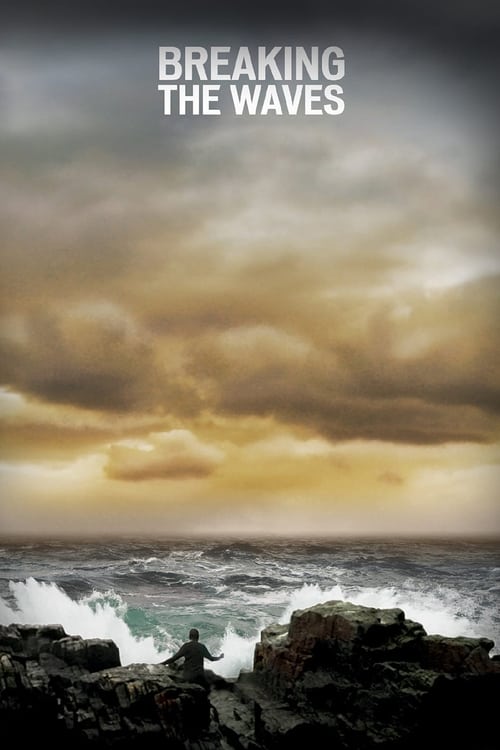
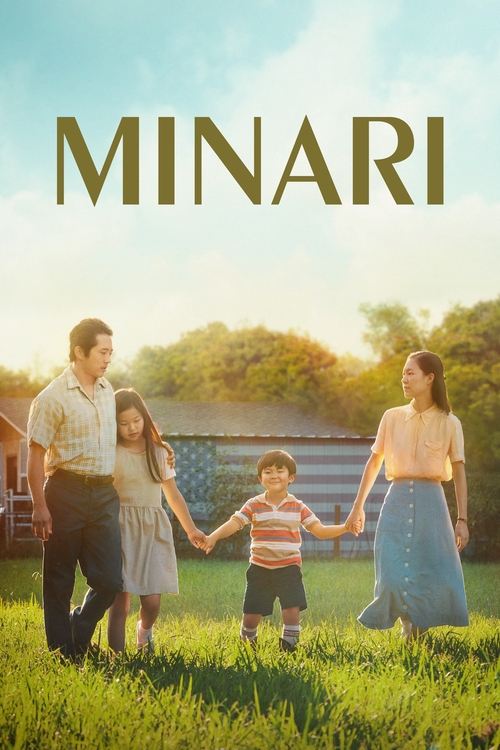
Your highest scores cluster around stories that physically or socially compress their characters — a single hotel room, a locked facility, a family home turned pressure vessel — and then watch what cracks open under that compression. The space is not backdrop; it is the mechanism. You are not drawn to intimacy as warmth; you are drawn to intimacy as an inescapable condition, where two people cannot exit and must therefore reveal something irreversible about themselves. The emotional register you are consistently chasing is bittersweet without sentimentality — earned grief, unresolved longing, endings that do not explain themselves. Your 10s and 9s almost never deliver catharsis in the Hollywood sense; they deliver aftermath. Moonlight ends on a look, not a speech. Room in Rome ends on a city, not a reunion. You are optimizing for the specific sensation of weight landing without a net beneath it. What you reliably reject is lightness as default — slapstick, uplift, wholesome resolution, and irony-free genre pleasure all score at or near the floor. This is not a preference for darkness per se; The Florida Project and Minari are warm films. But they earn their warmth through unflinching honesty about failure, precariousness, and cost. You require that a story pay a price to feel anything.

Blind spots

  • Portrait of a Lady on Fire (2019) is the film this taste profile is most precisely shaped for — two-body confinement on an island, slow accumulation of desire, no exit, no clean verdict, and an ending that is nothing but unresolved longing held in a single held gaze.
  • Aftersun (2022) would likely land hard: it is built entirely from lyrical memory fragments around an irrecoverable relationship, delivers bittersweet weight without a single sentimental gesture, and withholds the explanation that would let you feel better about what you just watched.
  • A Separation (2011) maps almost exactly onto the moral void, relentless escalation, and no-verdict structure that scores highest in your ratings — it is a sealed pressure cooker where every character is simultaneously correct and culpable and no one is absolved.

Taste tensions

  • Appleseed Ex Machina scores a 10 — your only perfect score for a kinetic, maximalist action film with binary-morality framing and corporate-superhero aesthetics — which sits in direct contradiction to your consistent rejection of genre spectacle and your preference for slow, unresolved moral weight.
  • The Lady Bird Diaries earns a 9 despite being archival, political, and strategy-focused rather than intimate or pressure-cooked, suggesting that when voice-driven specificity and behind-the-scenes revelation replace plot pressure, they can substitute for your usual emotional mechanisms.

Most loved