The Criterion Completist
You chase grief that arrives without anyone raising their voice.
A curated taste example. World cinema as intellectual encounter — form, context, and what a director chooses to leave unexplained. Not gloom for its own sake, but cinema that takes ideas seriously.
0 followers
·
0 following
Your Taste DNA
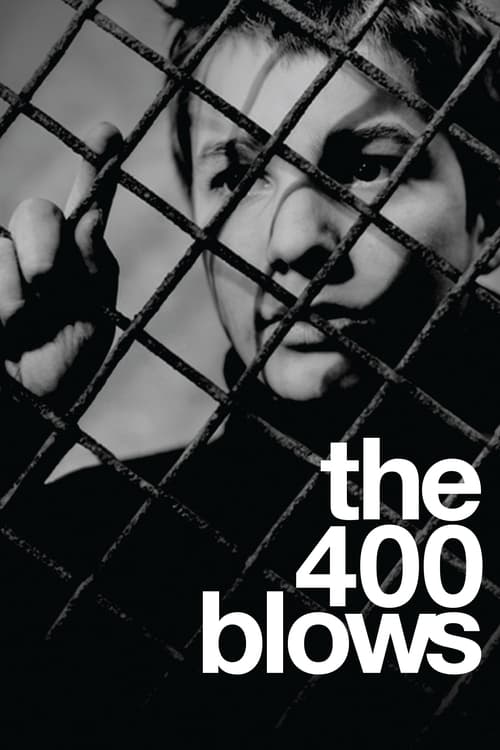
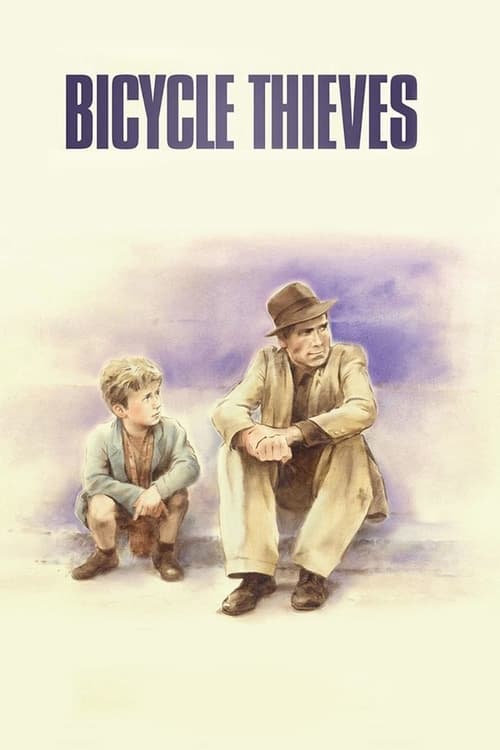
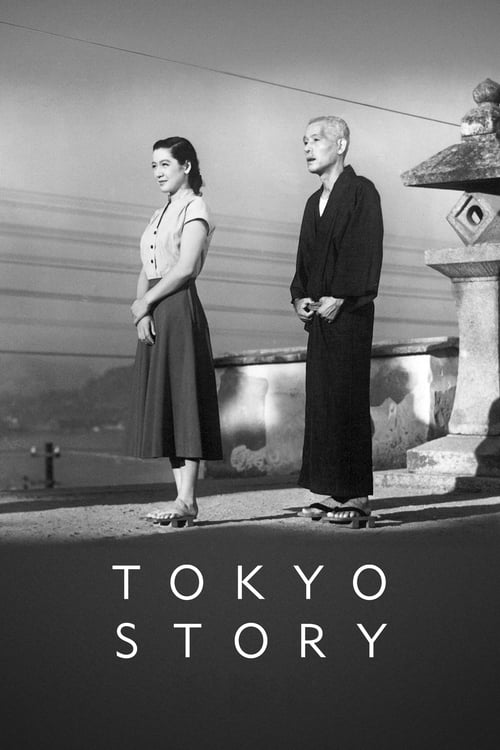
Your highest scores cluster almost perfectly around a single structural principle: emotional devastation delivered at a whisper. Tokyo Story, Bicycle Thieves, Wild Strawberries, and The 400 Blows all share the mechanism of withholding — the film refuses cathartic release at the moment you most expect it, forcing the weight of feeling to accumulate in silence or in a sustained, unbroken gaze. What you are optimizing for is not sadness as theme but restraint as technique: the formal choice to let an unbearable situation play out without score swells, without speeches, without the camera looking away.
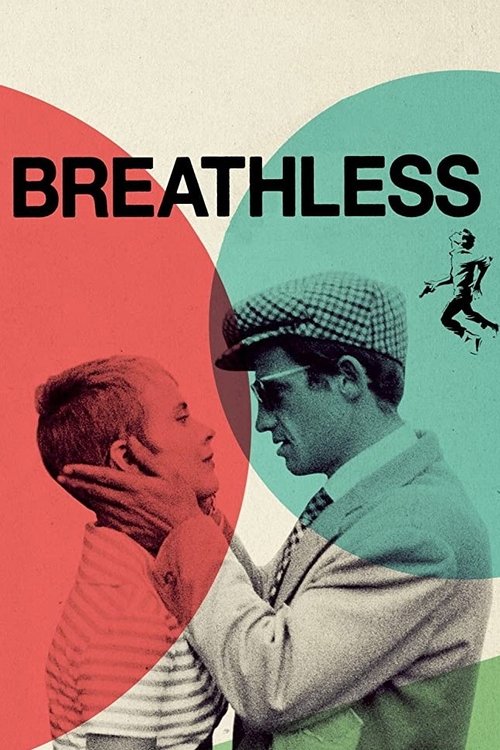
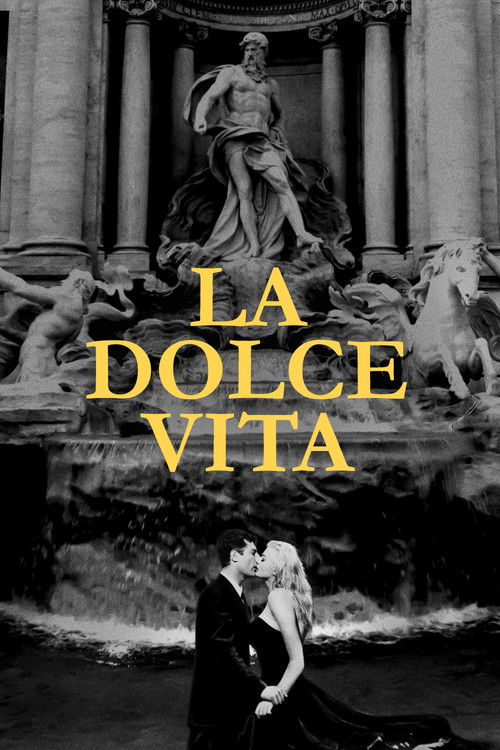
Within that restraint, you have a specific appetite for films that use episodic or drift-based structures to externalize inner disintegration. La Dolce Vita, Wild Strawberries, and Breathless don't resolve — they circle. The roaming, non-linear movement of the protagonist enacts the existential instability the film is diagnosing. You respond strongly when formal looseness and thematic seriousness are held in tension: the film looks casual, even improvised, while it is quietly constructing an argument about how meaning dissolves.
Your low scores reveal the boundary of the pattern with equal precision. Captain Blood, Police Story, Zombeavers, and The Firm Gets Married are not rated low because they're light — The Bishop's Wife is light and scores 7. They score low because they are propulsive without interiority: the camera is always pointing outward, at spectacle or event, never at the slow interior weather of a character who has no good options. The person you want to follow on screen is someone already losing, and the film's job is to sit beside them rather than rescue them.
Blind spots
-
Ozu's Late Spring (1949) — not yet rated — shares Tokyo Story's exact mechanism of intergenerational silence and dignified sacrifice, and its protagonist's resignation is delivered with the same formal patience that earned Tokyo Story a 10.
-
Fellini's 8½ (1963) — not yet rated — combines the episodic drift of La Dolce Vita with the memory-as-distortion logic of Wild Strawberries and centers on a self-sabotaging artist in creative paralysis, hitting three of your strongest dimensions simultaneously.
-
De Sica's Umberto D. (1952) — not yet rated — operates at the intersection of your humanist social realism and restrained devastation preferences, following an elderly man's quiet dispossession with the same refusal of rescue that made Bicycle Thieves essential to you.
Taste tensions
-
The Valley Resounds scores 8/10 despite being built on anthemic certainty and state-sponsored moral clarity — a direct structural inversion of the moral ambiguity and irresolution that defines your highest-rated films, suggesting that when formal energy is powerful enough, ideological dissonance becomes tolerable.
-
Up Close & Personal (8/10) is the one unambiguously Hollywood film in your top tier, propelled by fast-rising success and industry glamour — the exact mode your 1-2/10 ratings consistently punish — implying that romantic chemistry and mentorship warmth can temporarily override your preference for interiority over event.