Taste DNA

The Documentary Essayist

You chase documentaries that deliver either perfect moments or revealed paradoxes.

Strongly prefers documentaries that achieve closure, either complete arcs or revealed paradoxes
Values mastery/discipline as central drama, but not universally, accepts systemic critique equally
Equally values affirmative reverence and critical questioning, both achieve 10s
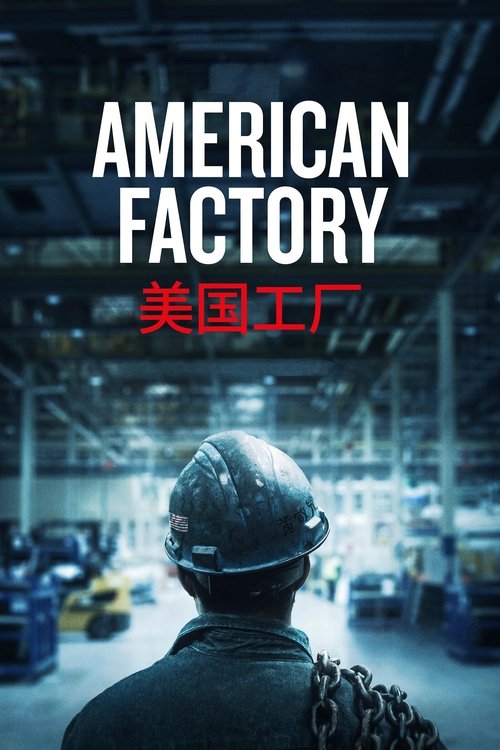
American Factory
Exit Through the Gift Shop
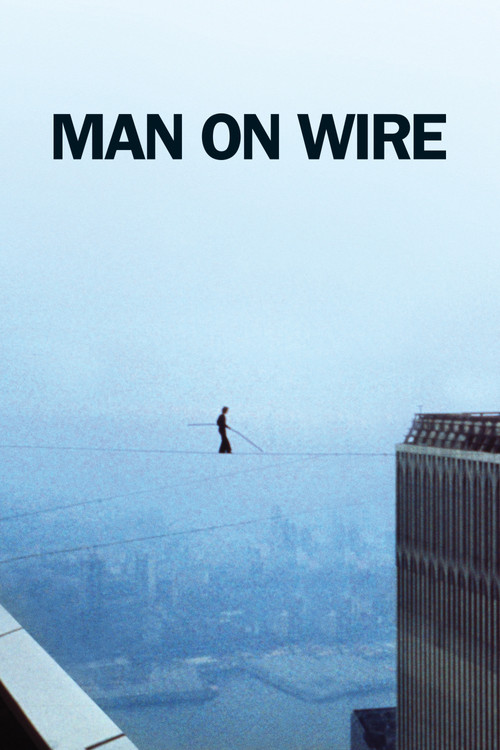
Man on Wire
Jiro Dreams of Sushi
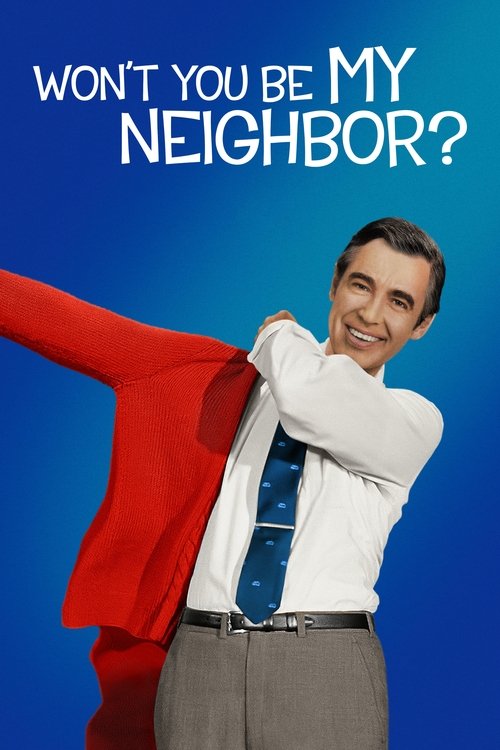
Won't You Be My Neighbor?
tastegraph.app

A curated taste example. The real world is stranger than any screenplay. Interested in how films think, not just what they document.

0 followers · 0 following
The full read

Narrative dimensions

Strongly prefers documentaries that achieve closure, either complete arcs or revealed paradoxes
82%
Values mastery/discipline as central drama, but not universally, accepts systemic critique equally
72%
Equally values affirmative reverence and critical questioning, both achieve 10s
60%

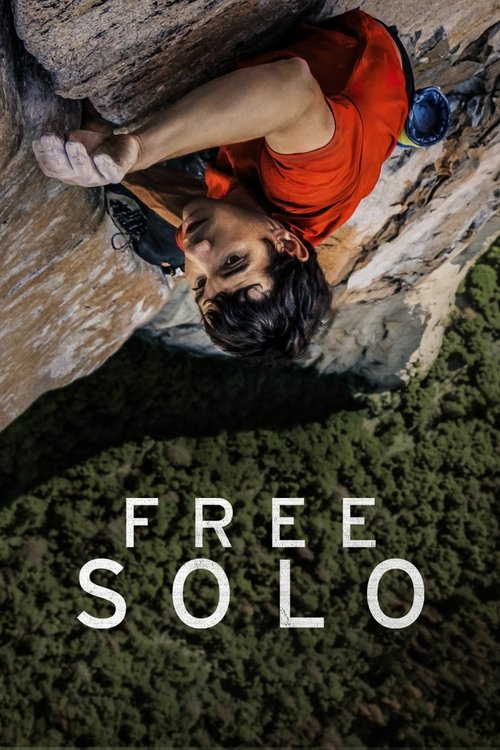
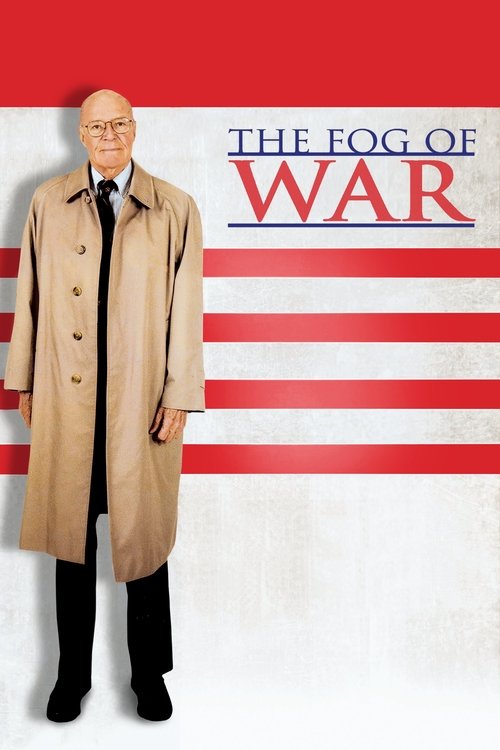
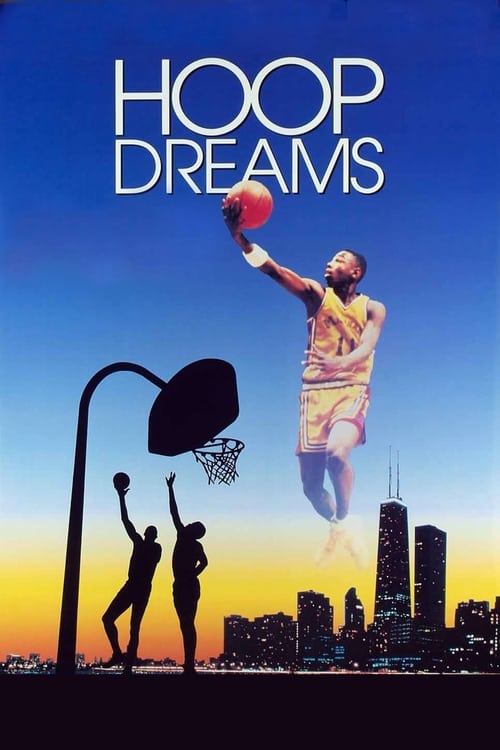
You are drawn to nonfiction cinema that achieves narrative closure, either by documenting complete human arcs and triumphs, or by laying bare fundamental contradictions with such clarity that the paradox itself becomes satisfying. You give loved to Fred Rogers's moral legacy, Jiro's one perfect meal, the wirewalker's accomplished feat, American Factory's crystal-clear culture clash, and Exit Through the Gift Shop's unveiled identity game. You drop to loved when systemic problems persist unresolved (Hoop Dreams' bittersweet barriers, The Fog of War's lingering moral ambiguity, Free Solo's persisting danger), when outcomes remain genuinely uncertain, or when the film itself leaves questions dangling. Separately, you love both reverential and critical tones equally, you'll celebrate mastery (Jiro, Free Solo, Man on Wire) or interrogate systems (American Factory, The Fog of War) with equal enthusiasm. What unites everything is that completeness: a documentary earns your highest regard when it either resolves something or reveals something so fully that ambiguity itself becomes the closed point.

Blind spots

  • You haven't yet rated Encounters at the End of the World (Herzog, 2007), which combines your love of intimate human obsession (scientists devoted to Antarctic research), contemplative visual reverence (sublime landscapes as character), and unresolved mystery (what lies at the edges of knowledge), the resolved-paradox mode that your ratings suggest you crave.
  • You seem to have missed Pumzi (Wanuri Kahiu, 2009), a speculative documentary-adjacent film about artistic and environmental restoration that centers both individual creative discipline and systemic climate contradiction with clarity, resolving its central paradox rather than leaving it hanging.
  • Looking at your pattern, Casting JonBenét (Kitty Green, 2017) would likely frustrate you, it deconstructs documentary truth and identity performance (Exit Through mode) but deliberately leaves the central mystery unresolved and unsatisfying, which runs counter to your need for closure or revealed paradox.

Taste tensions

  • You rate American Factory (10) and Exit Through the Gift Shop (10) as perfectly as Won't You Be My Neighbor? (10) and Jiro (10), despite the first pair being ironic/critical and the second being reverential, suggesting your allegiance is not to tone but to completeness, making critical deconstruction and reverent celebration equally valuable when they achieve full narrative or thematic closure.

Most loved