The Atmospheric Horror Seeker

You need horror that was already over before it began.

A curated taste example. Dread over gore. The horror that doesn't explain itself and makes the ordinary feel wrong.

0 followers · 0 following
Your Taste DNA

Narrative dimensions

Inescapable predetermined doom fate sealed at frame one, narrative is just the reveal
Grief as horror substrate grief is the wound the supernatural enters through
Slow dread escalation dread blooms across runtime rather than arriving in jolts
Ritual and folk horror framework communal or occult systems that override individual will
Psychological collapse and unreliable reality a mind disintegrating from inside, perception can't be trusted
Claustrophobic sealed space physical or psychic enclosure with no legitimate exit
Body horror as violation of self the body becomes the site of loss of agency or identity
Satirical social dread horror as critique of a real and recognizable power structure
Cozy whimsical magic warm, competent, rule-bound magic in low-stakes domestic space

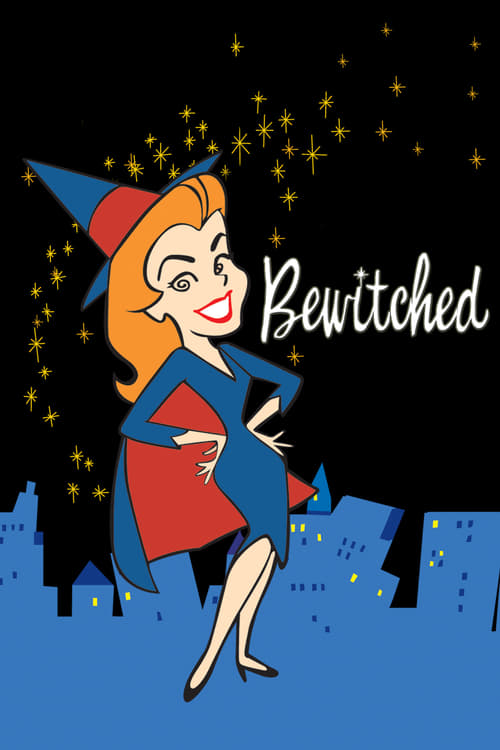
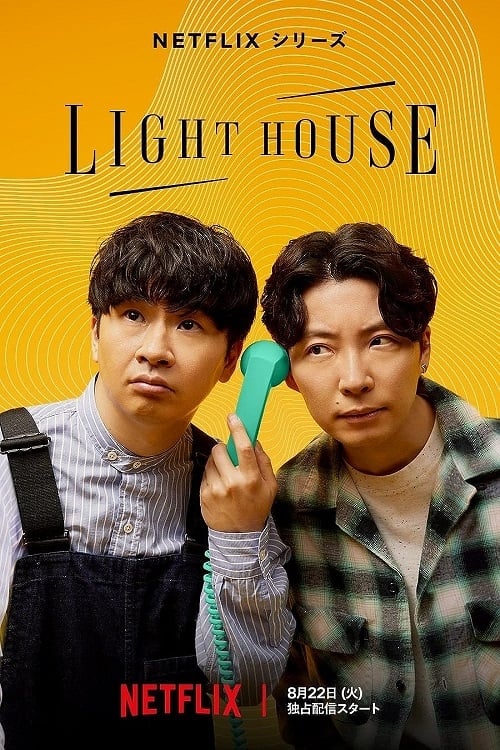
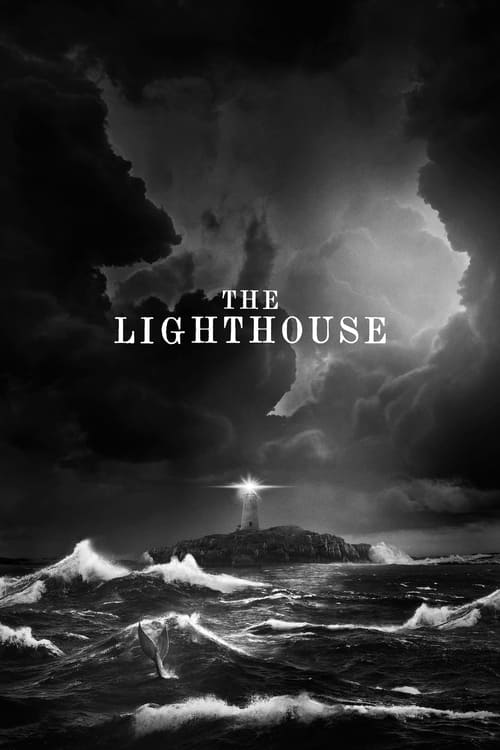
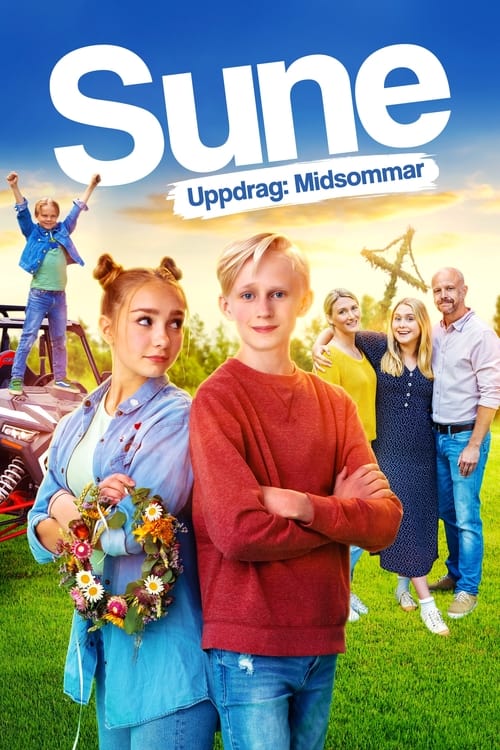
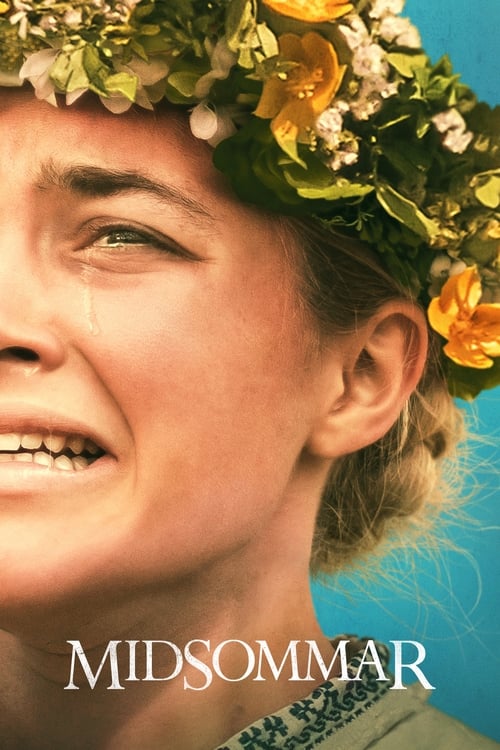
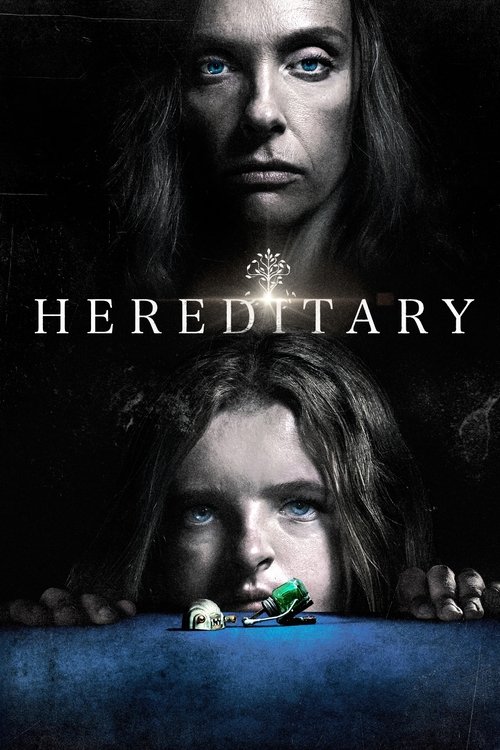
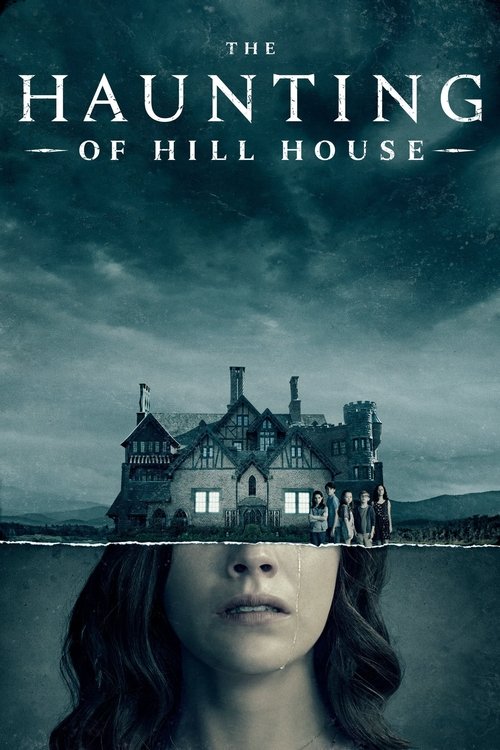
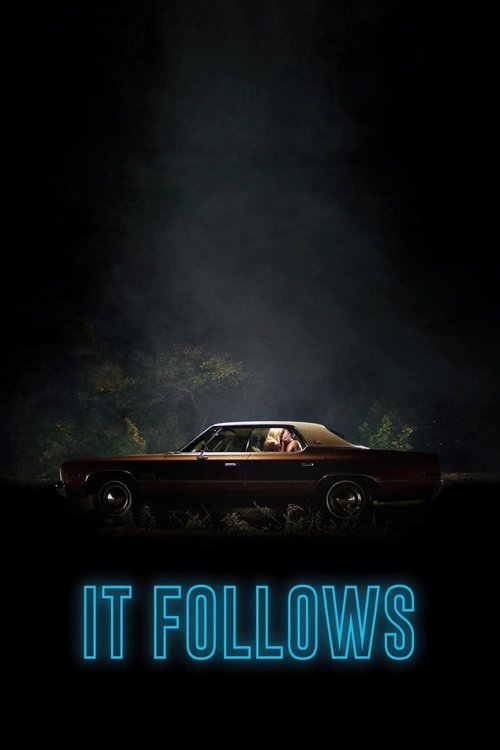
Your highest-rated work shares a single structural engine: the sense that doom is not approaching but has already arrived, and the narrative is simply the process of characters realizing it. Midsommar, Hereditary, It Follows, and Hereditary Villa all operate on the logic of a sealed fate — the curse, the entity, the lineage, the ritual is already in motion before scene one, and every act of agency by the protagonist is actually a step deeper into the trap. You are not watching to see if they escape. You are watching the precise mechanics of how they cannot. Your appetite for psychological disintegration is equally specific: you want the collapse to feel earned, internal, and architectural. The Haunting of Hill House, The Lighthouse, Lighthouse (the TV series), and House of Leaves all use fractured timelines, unreliable narration, or impossible geometry to externalize a mind coming apart. What you are not interested in is passive melancholy or quiet devastation for its own sake — That Time of Year and Grand Paris offer introspective ambiguity but score 1/10 and 3/10, which reveals the boundary: atmosphere without dread-structure is inert to you. The outlier in your profile — Sune – Uppdrag midsommar and Bewitched both scoring 9-10 — points to something real rather than contradictory: you also have a cleanly separated channel for warmth and whimsy, but it must be genuinely cozy and competent, not chaotic or cheap. Super Hot, Captain Ron, and Love on Credit try for lighthearted energy and all fall below 3/10. The standard for comfort viewing is as demanding as the standard for horror: it must be good at what it is.

Blind spots

  • You have not rated Ari Aster's broader orbit of influences — Pascal Laugier's Martyrs operates with the same logic of inescapable, cosmologically-justified suffering that powers Hereditary, and its final act performs the same function Midsommar's finale does: not a twist, but a confirmation of what was always true.
  • The Haunting of Bly Manor sits in your rated library's immediate shadow but is absent from your list — unlike Hill House it shifts the grief-as-horror axis toward romantic tragedy, which may land differently for you and would tell you something precise about where your tolerance for quiet devastation actually begins.
  • Shirley Jackson's We Have Always Lived in the Castle gives you the folk-horror communal logic and the domestic claustrophobia you score highest on, but routed entirely through prose and an unreliable narrator whose warmth is itself the trap — a useful test of whether your appetite is for the genre or the specific dread-structure underneath it.

Taste tensions

  • Sune – Uppdrag midsommar scores 10/10 — the same score as Midsommar and Hereditary — which means your comfort-viewing channel operates at maximum intensity alongside your horror channel, not below it; warmth and communal-summer imagery are not a consolation prize but a genuine equal appetite, which the 2/10 scores for Captain Ron and Super Hot clarify as a quality threshold, not a genre preference.
  • House of Leaves scores 8/10 despite being the most formally experimental item on your list — recursive narration, typographic fragmentation, no conventional pacing — which suggests your preference for slow dread is actually a preference for controlled mounting pressure, and you will accept radical formal disruption as long as it is in the service of that pressure rather than as an aesthetic end in itself.

Most loved