The Sundance Indie Watcher

You want the ache of being alive at human scale.

A curated taste example. Low-budget, high feeling. Character studies over plots, naturalistic dialogue, and faces you haven't seen before.

0 followers · 0 following
Your Taste DNA

Narrative dimensions

Human scale intimacy stories bounded by one person's or one community's immediate world
Bittersweet irresolution endings that hold hope and loss simultaneously, refusing clean catharsis
Youth as perceptual frame young or adolescent worldview that is internally sovereign, not decorative
Material precarity as atmosphere economic or social instability rendered as lived texture, not as political statement
Authentic emotional rupture characters who break down or crack open without melodrama or musical cue
Hangout drift momentum plot driven by presence and conversation, not incident or external pressure
Moral ambiguity in close quarters ethical messiness rooted in personal relationships, not grand systems or ideology
Liminal temporal register stories set in transitional life phases — quarter-life drift, grief's aftermath, the summer before something ends
Psychological slow burn dread or unease built through restraint and withholding, not genre mechanics

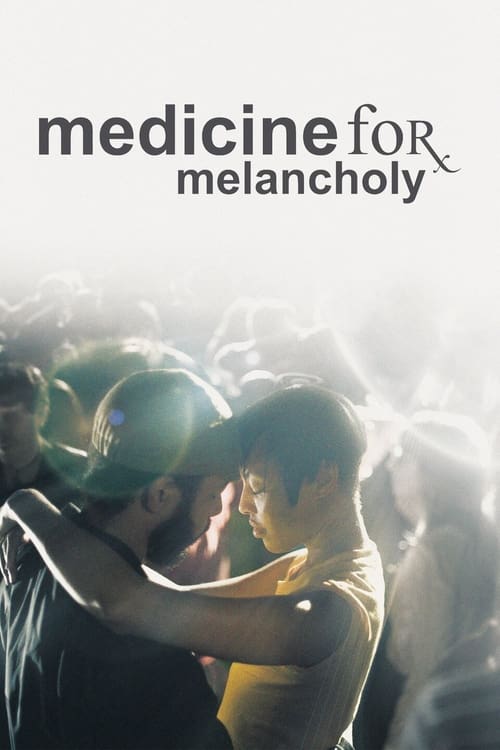
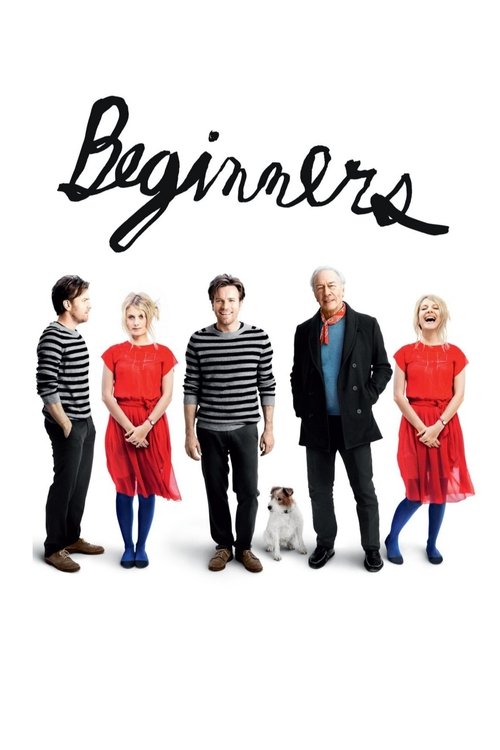
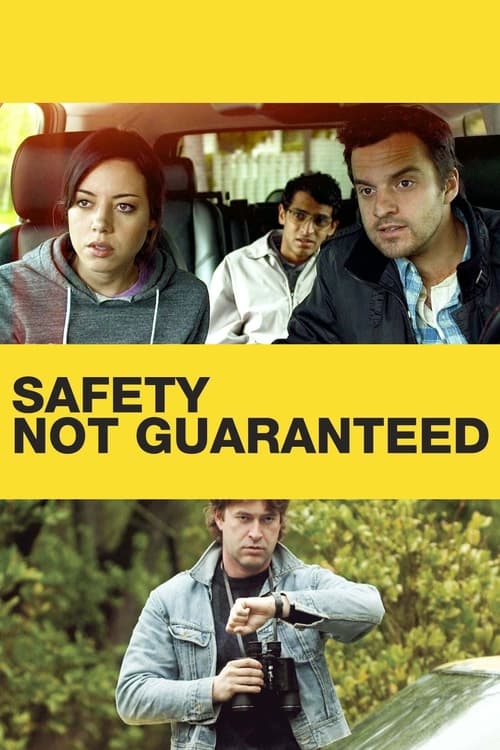
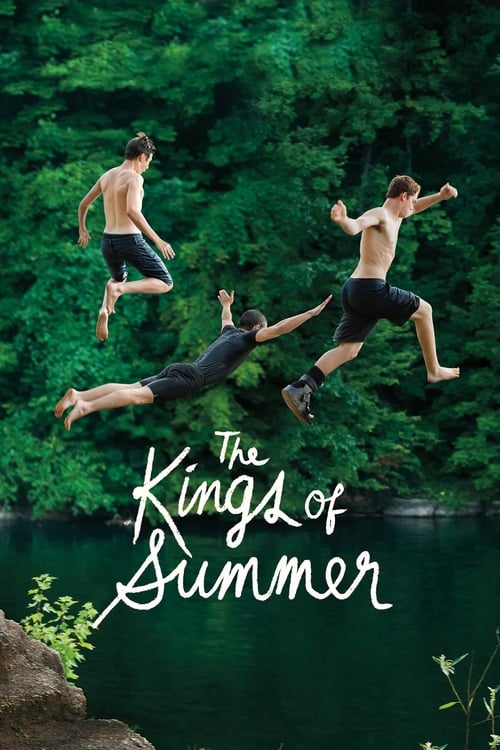
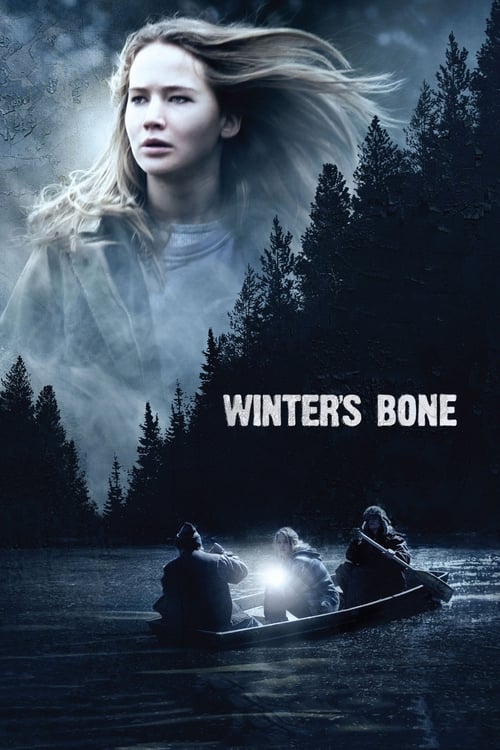
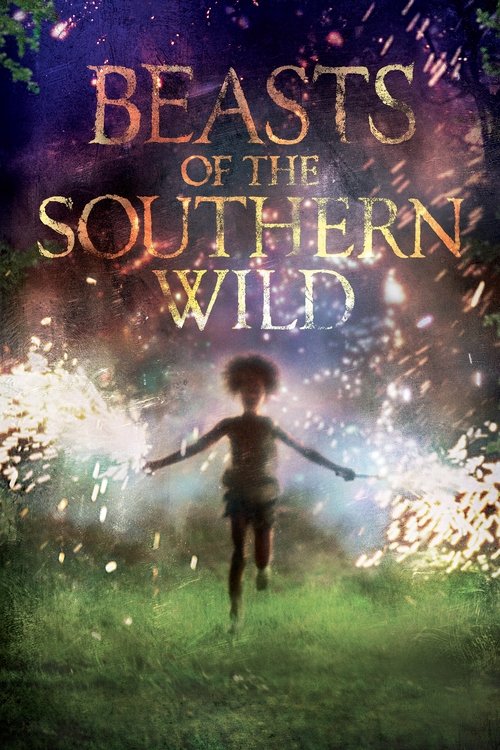
Your highest-rated films share one structural feature: the story is bounded by a single person's immediate sensory and emotional world, with no recourse to institutions, grand ideology, or genre mechanics to explain what's happening. Winter's Bone, The Florida Project, and Short Term 12 all operate inside an airtight perimeter of survival, care, and proximity. The drama is never about systems — it's about what it costs one specific body to persist inside them. You are drawn to bittersweet resolution as a formal preference, not just a mood. Frances Ha, Beginners, Medicine for Melancholy, and Safety Not Guaranteed all end in states that refuse both triumph and tragedy — the character arrives somewhere slightly better, slightly sadder, without the narrative telling you which to feel. The emotional payoff requires you to hold both at once, and that ambivalence is the point. Low scores on The Mission and Without Warning — both of which resolve into clear catharsis or grim finality — confirm this is a structural need, not an accident. A subtler pattern: you respond strongly to films that use youth or childlike logic as a perceptual frame without sentimentalizing it. Beasts of the Southern Wild, The Florida Project, and The Kings of Summer all grant children or adolescents a worldview that is internally coherent and emotionally sovereign, even when the adult world is collapsing around them. K3 en de Kattenprins has the same surface move — child protagonist, fantasy logic — but scores 3/10 because the childlike frame is decorative rather than load-bearing.

Blind spots

  • Wendy and Lucy (2008) is an exact structural match for what you rated highest in Winter's Bone and The Florida Project — a woman alone, economically cornered, moving through a world that offers no explanation for its cruelty, with tension carried entirely by physical detail and restrained performance rather than plot.
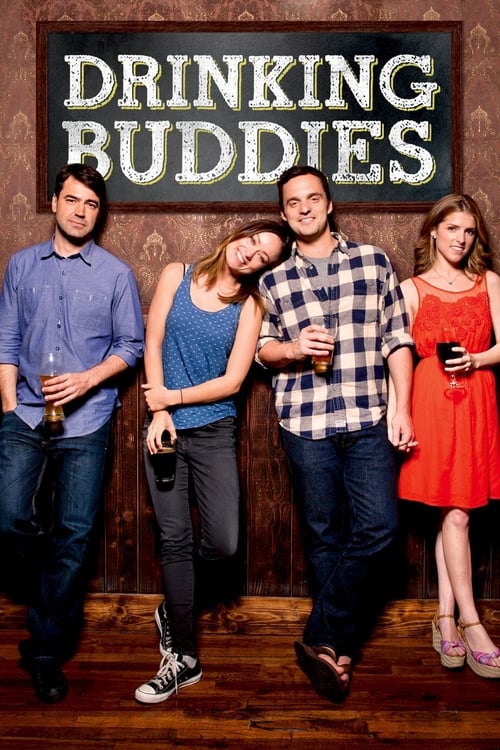
  • Certain Women (2016) gives you four interlocking stories all set inside the same emotional register you prized in Medicine for Melancholy and Drinking Buddies — quiet, drift-paced, bittersweet, with characters whose longing is never articulated but completely legible.
  • Tangerine (2015) operates at the same street-level intimacy and economic precarity as The Florida Project, but trades the child's perspective for two transgender sex workers in real-time, shot on an iPhone — the formal rawness and the unsentimental warmth of its community portrait sit exactly at the intersection of your top-rated films.

Taste tensions

  • You gave Backstabbing for Beginners a 9/10 despite its narrative relying on betrayal-as-entertainment and cold wit — tonal modes that sit in direct opposition to the empathetic authenticity you rewarded in Short Term 12 and The Florida Project, suggesting that when plotting is sharp and character-driven enough, you'll accept emotional distance you'd penalize elsewhere.
  • Aurora Teagarden Mysteries: Reunited and it Feels So Deadly scores 8/10 — a cozy procedural with satisfying reveals and lighthearted menace — which is structurally the opposite of the unresolved, irresolution-preferring taste dominant across your top tier, implying a specific appetite for clean genre satisfaction that your top-10 films never provide.

Most loved