The 70s New Hollywood Devotee

You chase the moment a system reveals it was always rigged.

A curated taste example. The decade when American cinema briefly got permission to be about something. Anti-heroes, cynicism, and handheld grit.

0 followers · 0 following
Your Taste DNA

Narrative dimensions

Systemic corruption as final revelation corruption is structural, not individual — the reveal is that the system was always this way
Downward spiral tragic inevitability protagonists caught in momentum they cannot reverse — ruin is directional, not accidental
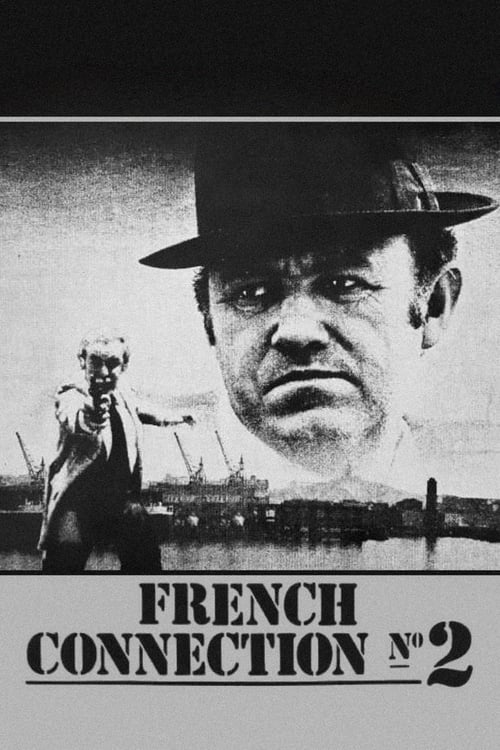
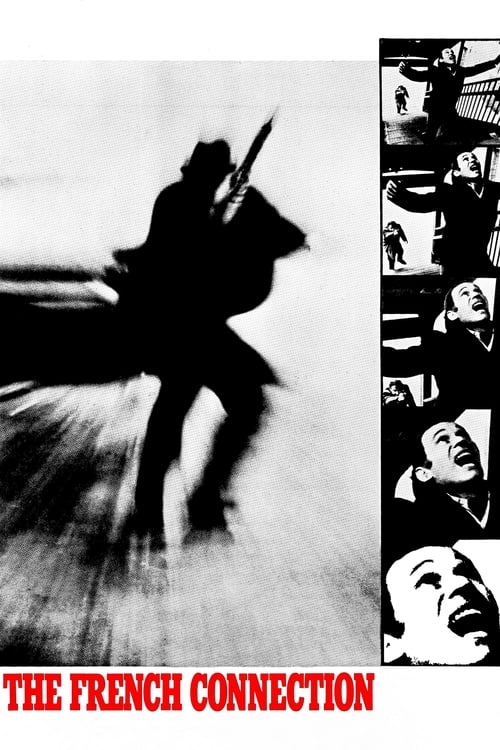
Procedural investigative momentum detective or pursuit structure where velocity of inference is the primary pleasure
Moral irresolution as structural honesty strong preference for films that refuse closure — the ending leaves the moral account unsettled
Ambition as self destruction characters destroyed by the drive they thought was their engine
Urban paranoia as atmosphere the city rendered as a hostile psychological environment that wears on the protagonist's grip on reality
Gambit heavy whodunit architecture mystery structure where the pleasure is in the density and sequencing of gambits, not just the solution
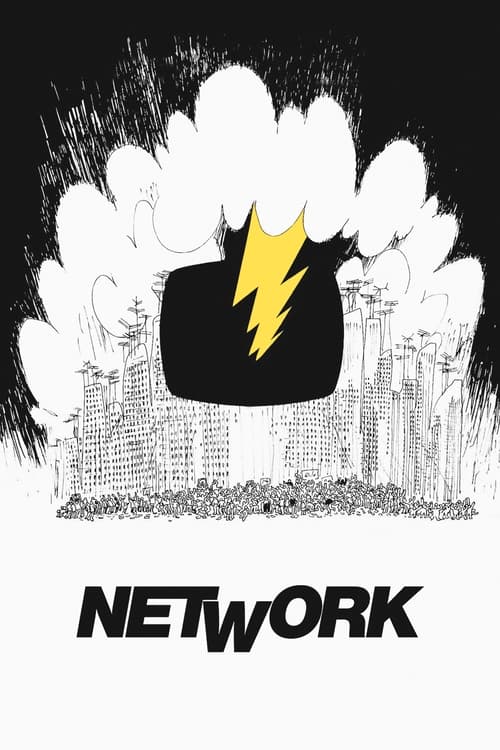
Media spectacle as moral rot performance and visibility as forces that corrupt or hollow out the people who enter them
Psychological unreliability of the self protagonists whose self-narration is systematically wrong — the gap between how they see themselves and what they are doing is the engine
New hollywood textural gravity 1970s American cinema's specific register — handheld grit, procedural realism, fatalist rhythm — as a near-default aesthetic baseline

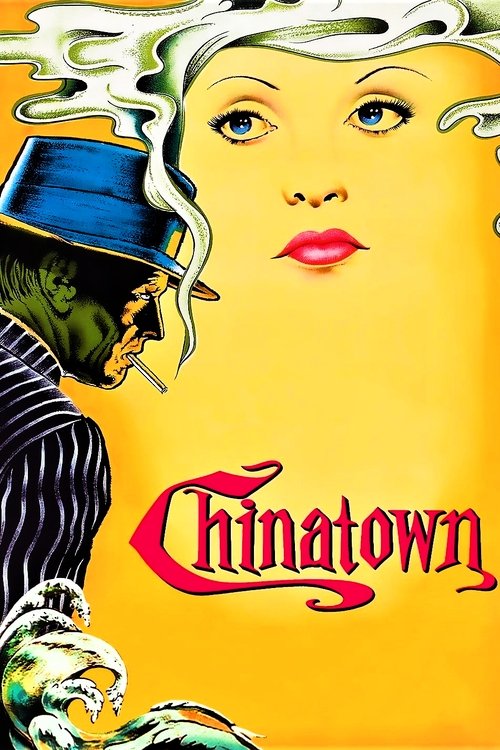
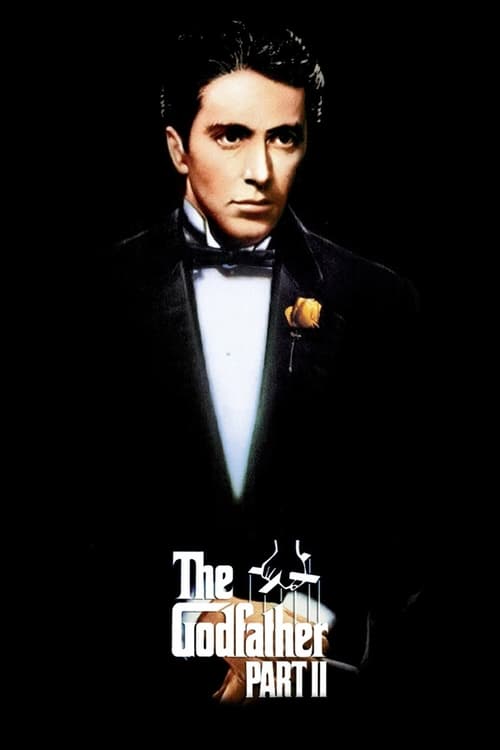
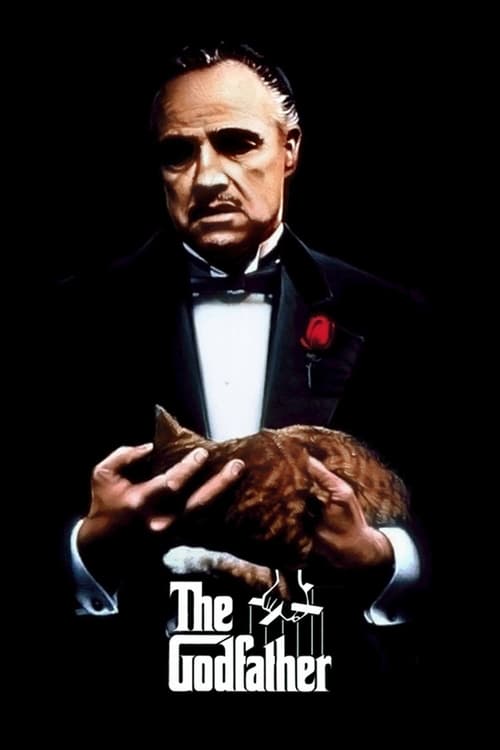
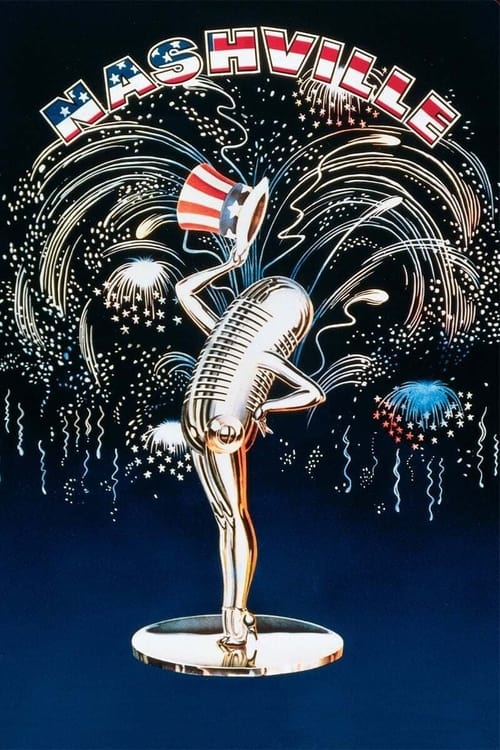
Your highest-rated films share a single structural obsession: the reveal that the institutions, families, and social contracts people trust are not just corrupt but were designed to be. Chinatown ends not with a twist but with the confirmation that power rewrites what happened. The Godfather Part II shows Michael Corleone becoming the very predatory force the family was supposedly built to resist. Network and The Social Network both dramatize how the machinery of visibility — television, platform capitalism — consumes the people who think they are operating it. You are not drawn to corruption as a theme so much as to the specific narrative mechanism where the protagonist's intelligence is finally insufficient against a system that pre-dates them. Within that systemic interest, you consistently reward a particular procedural texture: the investigation that acquires momentum before the investigator understands what they are investigating. The French Connection and its sequel, Chinatown, and Detective Chinatown 1900 — a conspicuously bright outlier in your otherwise muted palette — all share a whodunit structure where the pleasure is in the velocity of inference, not just in the solution. The 10/10 you gave Detective Chinatown 1900 is the most revealing score in your history: you will fully embrace comedic setpieces and period spectacle if the gambit architecture is tight enough. The New Hollywood grimy-realist aesthetic is a preference, not a requirement. The films you rate lowest — Robin Hood, The Red Turtle, Going to School, Billboard Dad — share a structural feature you appear to find inert: moral clarity that runs in one direction from beginning to end, whether through uplift, gentle empathy, or mythic acceptance. Even Keskpäev, which has several surface qualities of films you like (slow pace, historical atmosphere, mood-forward), earns a 1/10 — almost certainly because it offers introspection without stakes and atmosphere without moral friction. You need the friction.

Blind spots

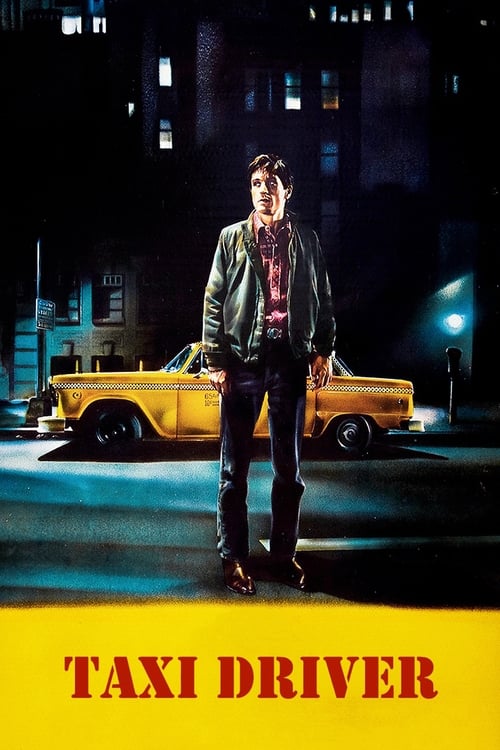
  • The Conversation (1974, Coppola) is almost certainly a gap that would score 10: it shares Chinatown's paranoia structure, Taxi Driver's unreliable self-narrating protagonist, and The Godfather Part II's thesis that surveillance and control corrupt the surveiller — all in a procedural frame with a devastating irresolution ending.
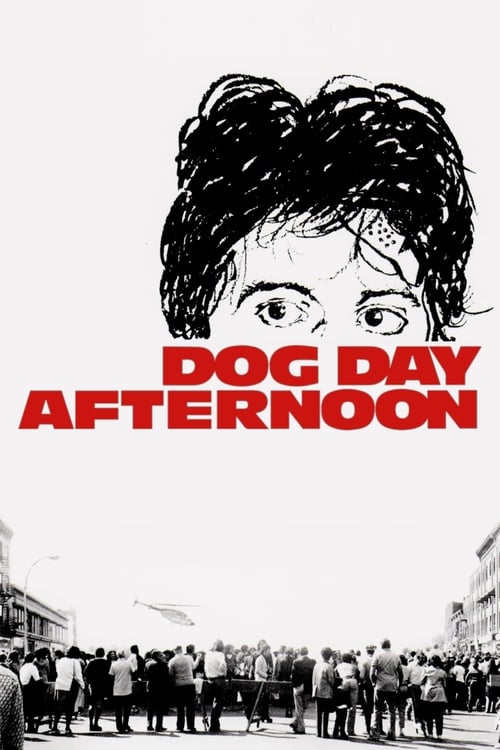
  • Serpico (1973, Lumet) sits precisely at the intersection of your highest-rated patterns — institutional corruption that pre-exists and outlasts the individual, street-level New York paranoia, a protagonist whose moral clarity becomes a liability against a system designed to absorb it — and Lumet directed Dog Day Afternoon, which you scored 9.
  • All the President's Men (1976) would likely satisfy your investigative-momentum dimension at the level Detective Chinatown 1900 does, but with the systemic-revelation payoff of Chinatown — the procedural velocity is unusually high for a film whose subject is document-checking, and the ending confirms that the system corrected for the investigators rather than because of them.

Taste tensions

  • Detective Chinatown 1900 earns a 10/10 despite being a 2025 colorful-setpiece buddy-comedy with culinary escapism and vaudevillian energy — the exact tonal register of films you score 1-3 (Billboard Dad, The Bum Bandit, Kermit's Swamp Years) — which means your gambit-heavy whodunit dimension can fully override your grimy-realist aesthetic preference when the mystery architecture is tight enough.
  • Keskpäev scores 1/10 despite being a slow, mood-forward, historically atmospheric film from 1982 — a profile that superficially matches Krosvordis amokhsnis mokvarultatvsis (7/10) and Feng (7/10) — suggesting that psychological unreliability or existential dread is the load-bearing element in those mid-tier experimental films, and pure meditative quietude without moral friction registers to you as simply empty.

Most loved