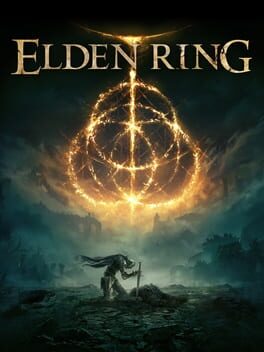
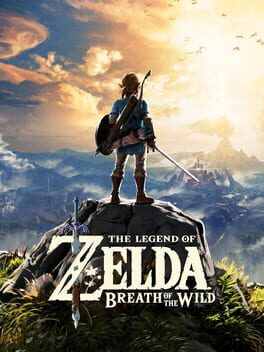
The Open-World Explorer

You live inside worlds that were already dying before you arrived.

A curated taste example. Give a map, drop me in, and leave me alone. Exploration, discovery, and the reward of going off the path.

0 followers · 0 following
Your Taste DNA

Narrative dimensions

Dying world as subject the world's collapse is the actual story, not the backdrop
Anti spectacle combat theater combat framed as performance or spectacle actively repels
Frontier elegy open spaces that feel like they are ending, not beginning
Lore withheld then earned meaning is rationed, never delivered
Isolation against hostile environment solitude under weather, dread, or environmental menace
Curiosity as primary drive the question keeps you moving, not the objective
Moral ambiguity without resolution no clean sides, no clean endings
Protagonist as vessel not hero the character is a lens onto the world, not the world's center
Outlaw or outsider identity protagonist operates at the edge of collapsing social order

Game mechanics

Boss as narrative event boss encounters are the emotional climax, not a skill checkpoint
Open world self directed pacing freedom to wander without quest-marker obligation
Knowledge progression over stat progression what you understand unlocks more than what you level
Resource scarcity as tension engine limited ammo, limited supplies, every decision costs something

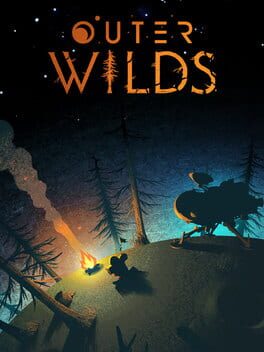
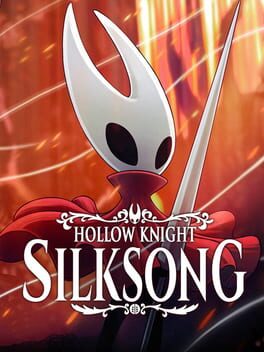
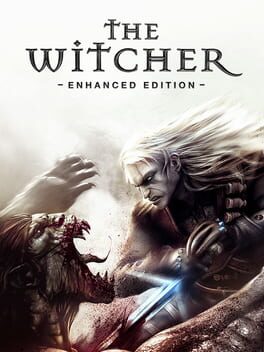
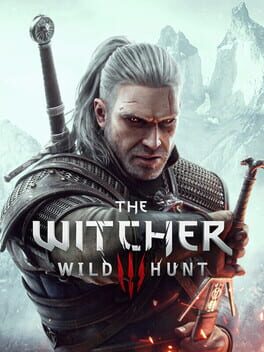
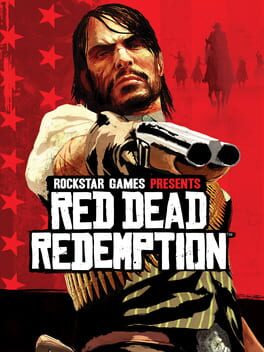
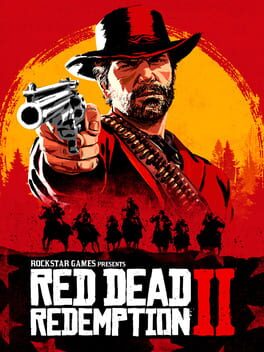
Your highest-rated games share a single structural feature: the world itself carries more emotional weight than the protagonist. Elden Ring, Hollow Knight, Outer Wilds, and Red Dead Redemption all front-load their best storytelling into the environment — collapsed kingdoms, fading frontiers, dead civilizations whose bones you read by walking through them. You aren't drawn to world-building as backdrop; you need the world's tragedy to be the actual subject. The protagonist is the instrument through which you feel the world's grief, not the source of it. Within that, you consistently reward slow revelation over exposition. Outer Wilds, Elden Ring, and Hollow Knight: Silksong all gate their meaning behind patient exploration — you earn the understanding rather than receive it. The Witcher 3 scores slightly lower than the Enhanced Edition despite being the objectively more polished game, which hints that you're slightly more engaged when lore feels withheld and discovered than when it's delivered through lengthy cutscenes and quest markers. The low-score bloc is equally legible: every fighting game you've touched — Dragon Ball FighterZ, Street Fighter 6, Avatar Legends, Marvel Tokon, Invincible Vs., BloodRayne, Shao-Lin's Road — sits between 1 and 3. These share a complete absence of world to inhabit; they offer performance arenas with no geography, no decay, no mystery. That is the precise opposite of what you're optimizing for. Conan Exiles (1/10) is the one apparent exception to genre — nominally open-world survival — but its lawless grind loop and absence of authored melancholy put it firmly in the same rejected category.

Blind spots

  • Bloodborne sits exactly at the intersection of your highest-rated games — Elden Ring's cryptic mythic tragedy, Hollow Knight's dangerous beauty, and Resident Evil 7's claustrophobic dread — fused into a single punishing boss-centric world that is already dying when you arrive, and you haven't rated it.
  • Pathologic 2 would almost certainly land in your top tier: it is one of the few games where the town itself is the protagonist, the world is visibly dying over a twelve-day countdown, moral choices have no clean resolutions, and resource scarcity is so severe it functions as a second narrative layer.
  • The Long Dark's Survival Mode hits the Snow Scout and Will: Follow the Light notes at a much larger scale — total isolation against hostile weather in a world without enemies, where what you learn about the environment is the only progression — and it adds a genuine existential weight to the frontier-elegy dimension that neither smaller title fully reaches.

Taste tensions

  • Jorel's Brother and the Most Important Game of the Galaxy: Complete Edition scores 8/10 despite being cartoonish, absurdist, and culture-specific — none of the dying-world gravity, lore-sparse revelation, or environmental menace that defines your top tier — which suggests your threshold for comedy is much higher than your ratings imply, provided the humor is satirical and structurally dense rather than surface-level.
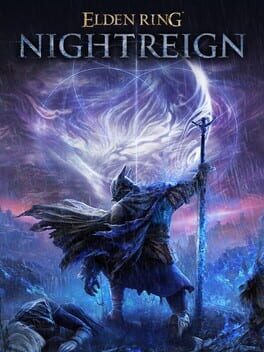
  • You gave Elden Ring Nightreign a 10/10 despite its cooperative, run-based loop being structurally closer to a session game than to the slow, solitary world-absorption of the original Elden Ring — which reveals that grim-camaraderie and boss-centric design can fully satisfy you even when the open-world introspection is stripped away, drawing a sharper boundary around what you actually need versus what you think you need.

Most loved