The Prestige-TV Bingewatcher
You chase the exact moment a man decides to stop being good.
A curated taste example. Television as the long novel — world-building that takes twenty hours to pay off, characters who change across seasons, and writers' rooms that trust viewers to keep up.
0 followers
·
0 following
Your Taste DNA
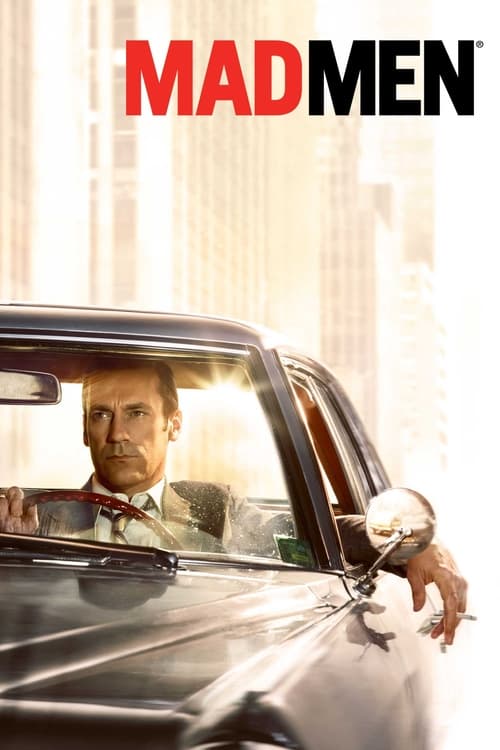
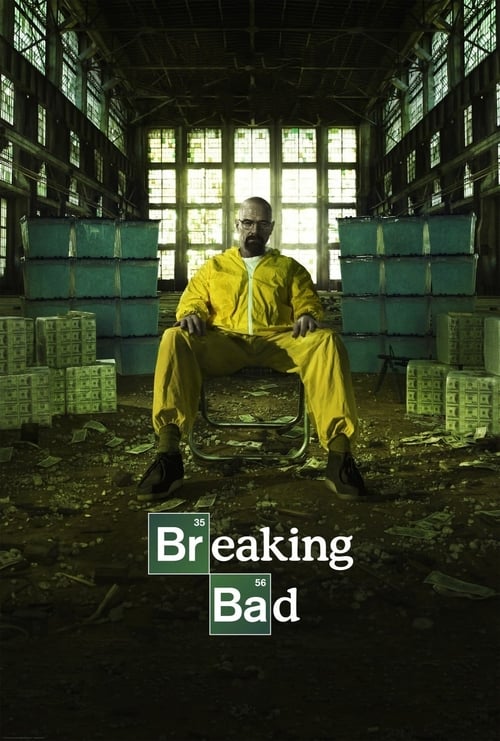
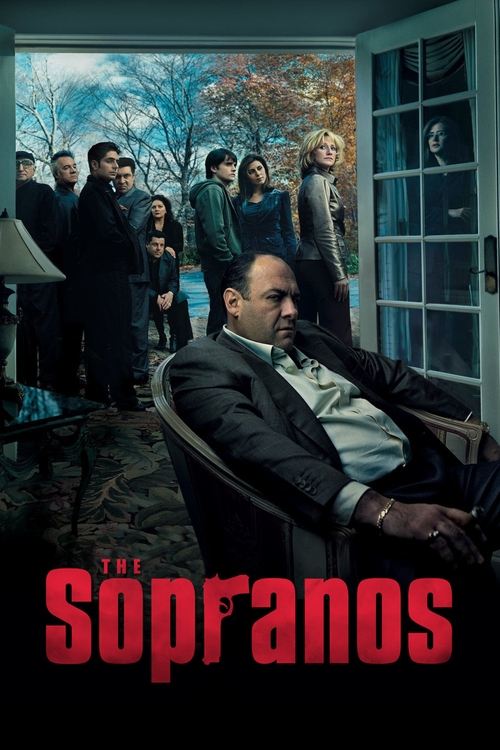
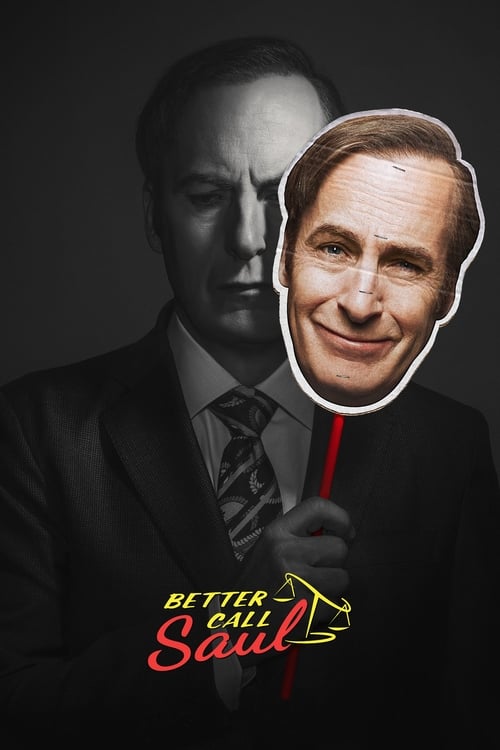
Your highest-rated titles share a single structural engine: the meticulous, real-time tracking of moral erosion in a protagonist who is intelligent enough to know exactly what he is doing. Breaking Bad, The Sopranos, Better Call Saul, Ozark, and Mad Men all score 9–10, and every one of them is built around a man watching himself cross a threshold he cannot uncross. The pleasure is not transgression — it is the precision of the psychological mechanism, the gap between self-knowledge and self-governance.
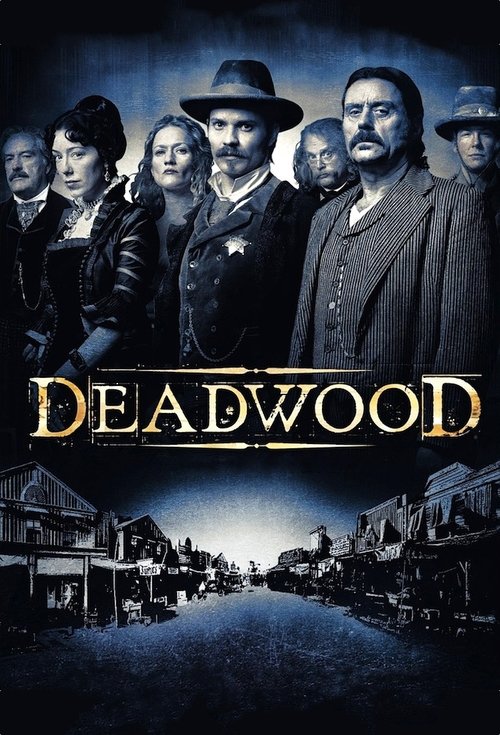
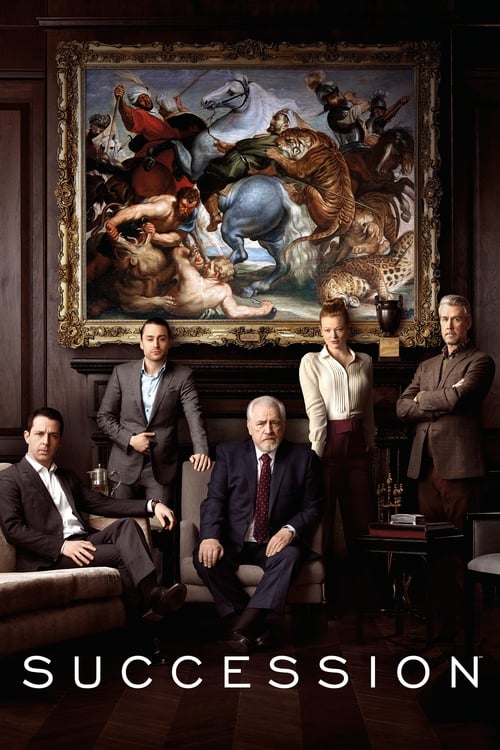
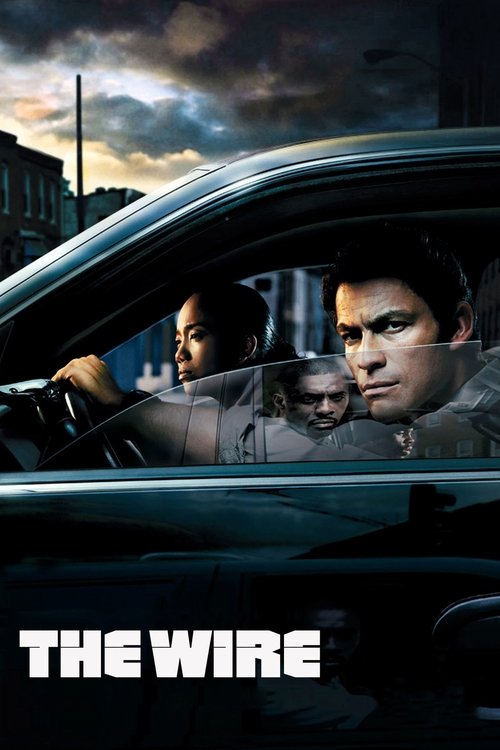
The second major axis is scale. You do not want moral collapse isolated to one man; you want it embedded in a system that makes individual rot structurally legible. The Wire, Succession, Deadwood, and Five Days at Memorial all show corruption as institutional load-bearing material, not aberration. When both axes are present simultaneously — the individual arc and the systemic frame — your scores are uniformly at the top of your range. Remove the systemic layer and scores drop; remove the individual arc and they drop further.
The culinary and procedural comfort titles — Secret Ingredient, Best Leftovers Ever!, Ozark Law — look like genre breaks but operate on the same reward pathway: competence under pressure, rules that actually work, small-scale stakes with satisfying resolution. They supply the procedural satisfaction your crime dramas deliver in much darker registers. What you consistently reject is content with neither register — no stakes, no craft, no consequence — which explains the near-zero scores on Vem vet mest?, Nanbaka, Rica, Famosa, Latina, and the animation titles.
Blind spots
-
The Jinx: The Life and Deaths of Robert Durst would almost certainly land at 9–10: it fuses your psychological-penetration appetite with the real-time moral-collapse structure of your top antihero dramas, and its documentary form gives the procedural revelation the same slow-burn weight as The Leftovers.
-
Rectify — a Southern Gothic slow-burn about a man released after 19 years on death row — delivers the grief-as-structural-engine quality you rewarded in The Leftovers and Five Days at Memorial, without any genre scaffolding to deflect it, which is exactly the register your 10s occupy.
-
The Americans satisfies every axis simultaneously — antihero moral erosion tracked across a decade, systemic rot (Cold War ideological machinery), psychological penetration of hidden identities, and the slow-burn patience your highest scores consistently require — and is conspicuously absent from your history.
Taste tensions
-
Ozark Law (9/10) — a slice-of-life policing docuseries about summer tourist traffic in a small Missouri town — sits directly beside Ozark (9/10) and The Wire (10/10) in your ratings, despite sharing none of their antihero architecture or systemic rot; this reveals that quiet procedural competence under low-glamour conditions can satisfy you as fully as the darkest crime canon, so long as the craft of observation is present.
-
Beyond Reason (1/10) carries tags — 'moral-ambiguity', 'investigation-as-character-study', 'slow-simmering-suspense', 'reality-tilting-perception' — that map precisely onto your 9–10 territory, yet it bottomed out at 1, suggesting that the same formal vocabulary executed without tonal authority or production weight reads as empty imitation rather than the genuine article.