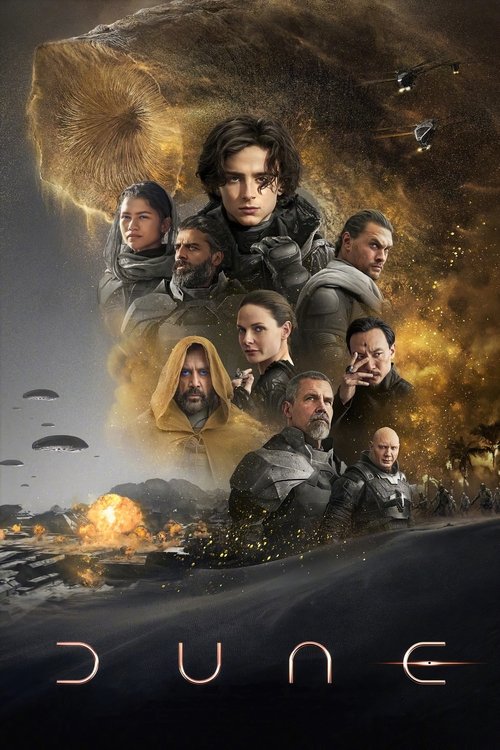
smoke-test-2026-05-09

0 followers · 0 following

Your Taste DNA

Narrative dimensions

Moral self corruption as plot engine protagonist IS the ethical problem, not just facing one
Perceptual reality destabilization narrative structure actively undermines the audience's epistemic frame
Atmospheric world revelation slow-burn discovery of a world whose depth is withheld and earned
Mythic earnest scale cosmic or epic scope treated with sincere, non-ironic gravitas

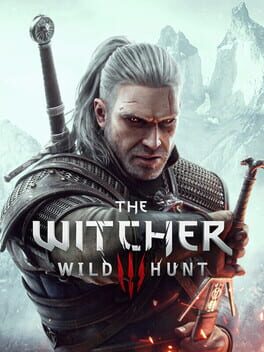
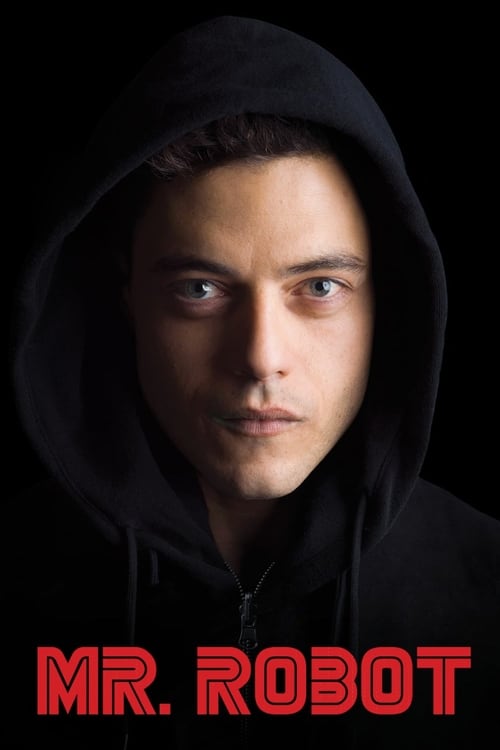
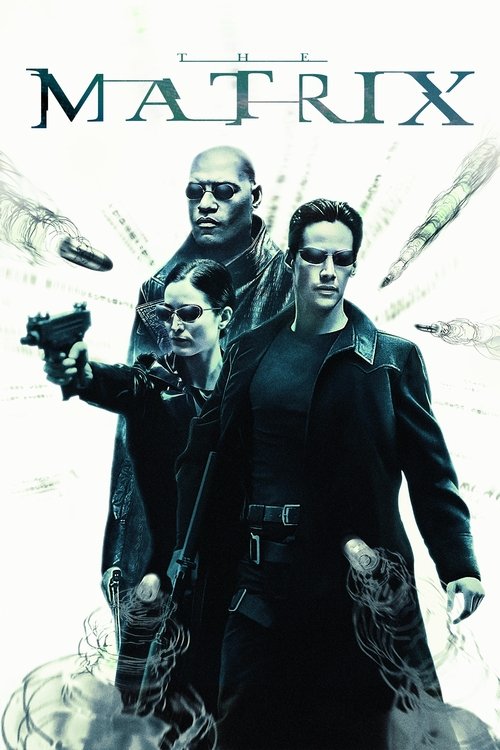
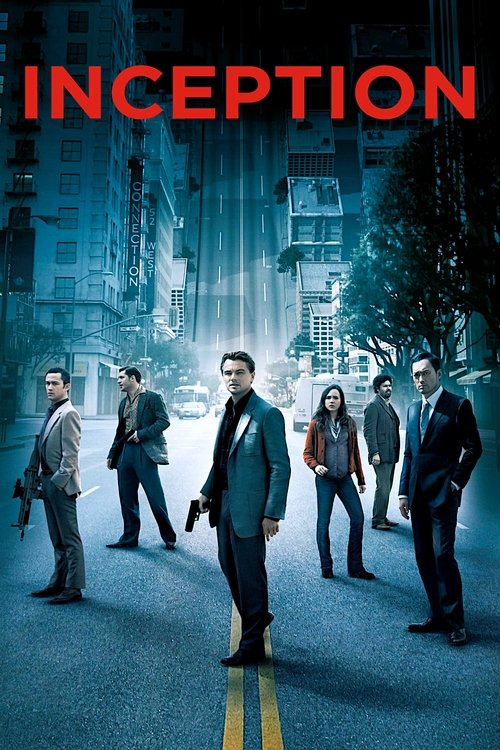
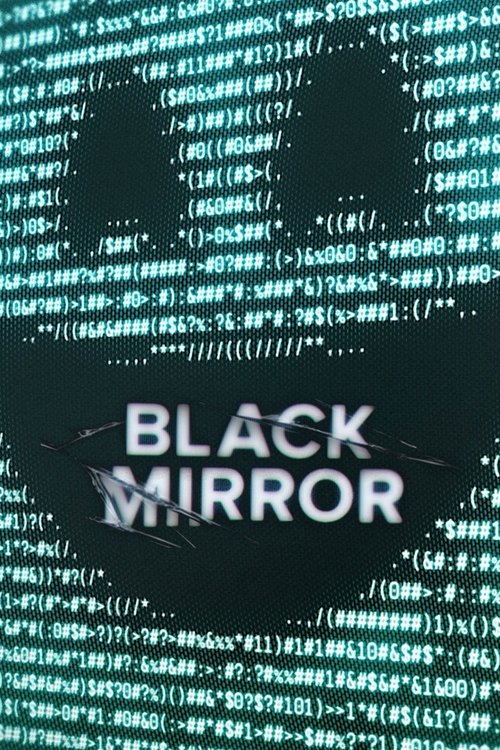
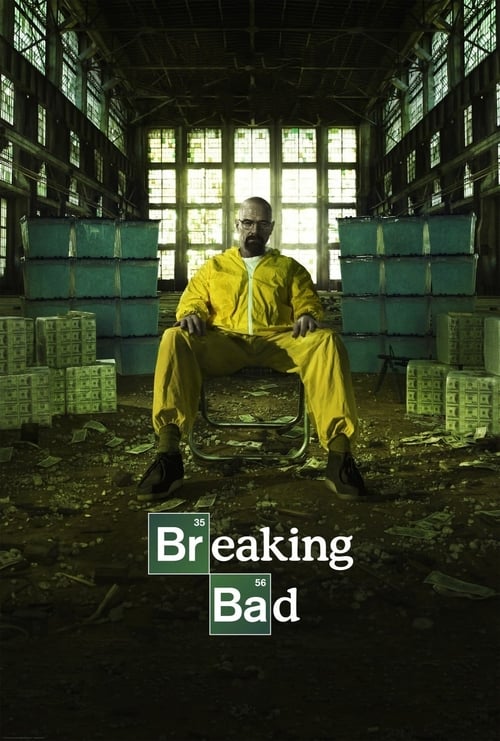
This person optimizes for two intersecting structural pleasures: protagonists whose moral deterioration or fracture IS the plot engine, and worlds that reward patient, sustained attention with revelatory depth. The highest scores cluster around works where watching someone become (or discover they already are) the problem generates the primary dramatic tension — Breaking Bad and The Witcher 3 both place ethical self-corruption at the center, not the periphery. The 10/10 scores are not just for 'good stories' but for stories where the audience's growing complicity or unease is the mechanism. A second strong signal is preference for narrative architecture that destabilizes the viewer's model of what is real or who is perceiving — Inception, Mr. Robot, and The Matrix are not just thematically philosophical but structurally engineered to make the audience doubt the frame. This person is drawn to the experience of having their epistemics actively worked on by the text, not just challenged in dialogue. The lower scores are instructive: Stranger Things (7) is the outlier, and it is precisely the entry on this list with the most conventional heroic structure and the most nostalgia-driven surface pleasures. Black Mirror at 8 is consistent — it provides moral horror and tech-paranoia but trades depth for anthology brevity. The pattern suggests this person does not just want dark or smart content; they want darkness that accumulates over time in a richly constructed world.

Blind spots

  • True Detective Season 1 is almost certainly a gap: it combines the slow-burn atmospheric world-building of Hollow Knight and Subnautica with the moral self-corruption engine of Breaking Bad, anchored by a protagonist whose philosophical unraveling IS the dramatic structure — exactly the intersection this person scores highest on.
  • Dark (the German Netflix series) would likely score very high given this person's demonstrated appetite for reality-destabilizing narrative architecture (Inception, Mr. Robot at 9/10) combined with mythic scale and patient, rewarding world construction — it operates all three mechanisms simultaneously across three seasons.
  • Annihilation (the 2018 film) sits precisely at the boundary of the perceptual-destabilization dimension and the atmospheric-revelation dimension, offering a world that withholds its rules entirely and generates dread through structural ambiguity rather than conventional horror — a mode this person rewards strongly when executed with craft.

Taste tensions

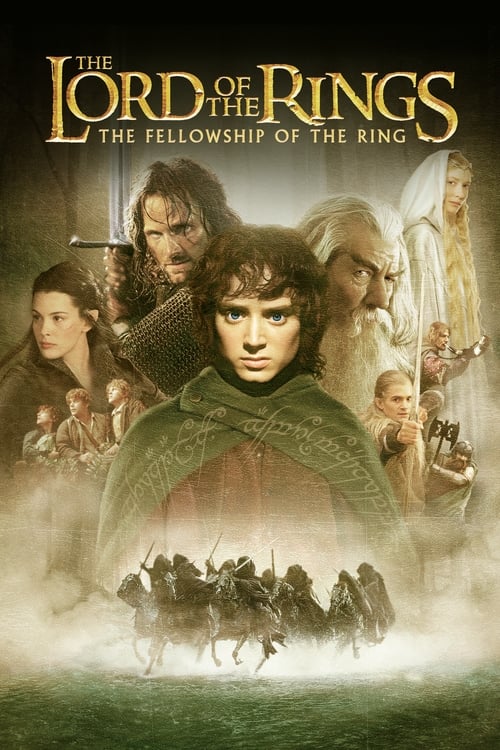
  • The Lord of the Rings scores 9/10 in both book and film form despite featuring the clearest, most binary good-versus-evil moral structure on the entire list — directly contradicting the dominant pattern where moral ambiguity and protagonist corruption drive the highest scores, suggesting that sufficient mythic scale and world-depth can fully substitute for moral complexity.
  • Stranger Things at 7/10 is the lowest score on the list, but it shares the slow-reveal-creep and small-town-dread tags with content this person otherwise rewards; the penalty appears to come specifically from its nostalgic, irony-free heroic framing and ensemble-of-unambiguous-good-kids structure, which confirms that darkness alone is not the signal — structural complicity and earned revelation are.

Most loved