Where to read
We haven't mapped providers for this yet. search the web .
Taste threads
What this title is working with
TasteGraph uses signals like these to connect titles across movies, TV, books, and games. Your ratings decide which ones belong in your Taste DNA and how strongly they matter.
How cross-media recommendations work →Catalog
- Release
- 1999
Synopsis
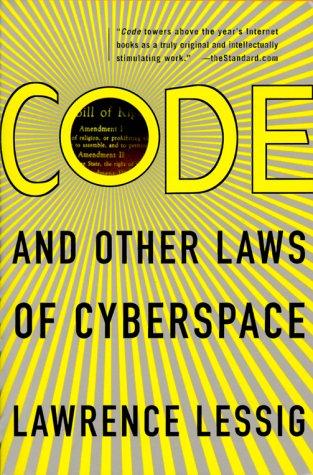
Although the book is named Code and Other Laws of Cyberspace, Lessig uses this theme sparingly. It is a fairly simple concept: since cyberspace is entirely human-made, there are no natural laws to determine its architecture. While we tend to assume that what is in cyberspace is a given, in fact everything there is a construction based on decisions made by people. What we can and can't do there is governed by the underlying code of all of the programs that make up the Internet, which both permit and restrict. So while the libertarians among us rail against the idea of government, our freedoms in cyberspace are being determined by an invisible structure that is every bit as restricting as any laws that can come out of a legislature, legitimate or not. Even more important, this invisible code has been written by people we did not elect and who have no formal obligations to us, such as the members of the Internet Engineering Task Force (IETF) or the more recently-developed Internet Corporation for Assigned Names and Numbers (ICANN). It follows that what we will be able to do in the future will be determined by code that will be written tomorrow, and we should be thinking about who will determine what this code will be. [from http://kcoyle.net/lessig.html]
Why you like this
TasteGraph reads what you rate and works out why you like it, then finds matches across movies, TV, books, and games. No account needed.