The Anti-Hero TV Devotee

You reach for stories where moral compromise compounds until it's irreversible.

A curated taste example. Protagonists who are unambiguously doing harm, and shows smart enough not to explain it away. The joy is in watching the rationalisation.

0 followers · 0 following

Your Taste DNA

Narrative dimensions

Moral erosion arc irreversible self-corruption, tracked in increments
Power choreography power acquired, performed, and lost through deliberate human moves
Absurdism rejection low tolerance for comedy or drama that abandons stakes for pure weirdness
Institutional rot systems that degrade everyone who operates inside them
Slow burn patience long-form revelation over episodic reset
Dark comedy as escalation comedy that makes violence more disturbing, not lighter
Craft and process fascination behind-the-curtain access to how difficult work actually gets made
Female survival under threat women navigating systems designed to contain or destroy them
Forbidden connection romance romantic tension that exists under external prohibition or danger
Comfort counterweight periodic appetite for low-stakes warmth as deliberate relief

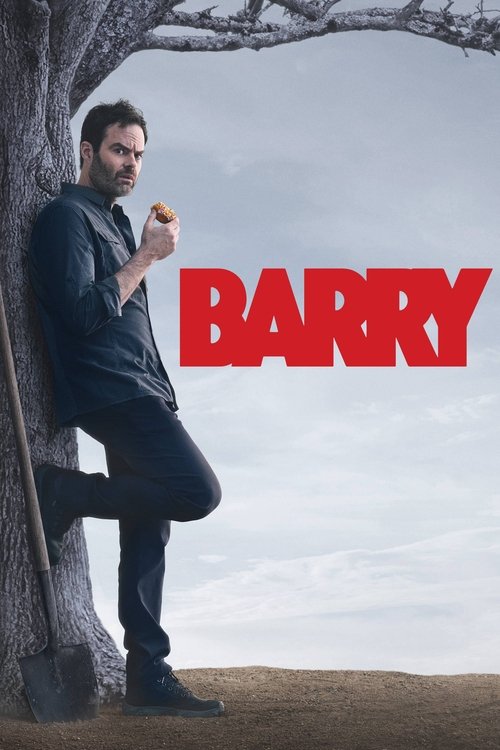
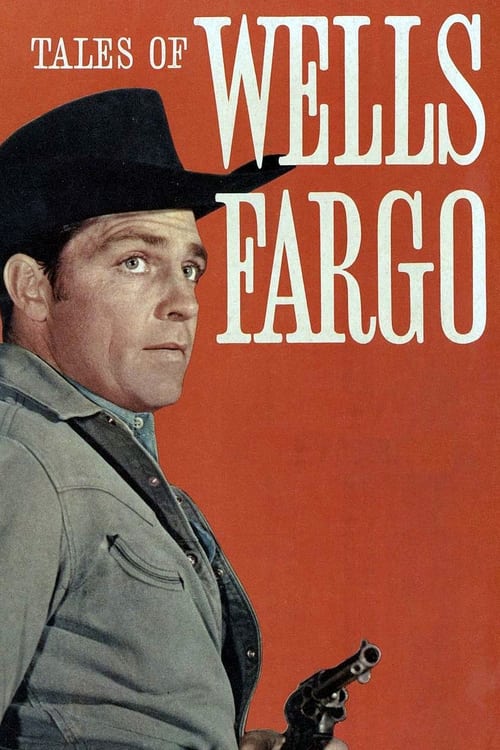
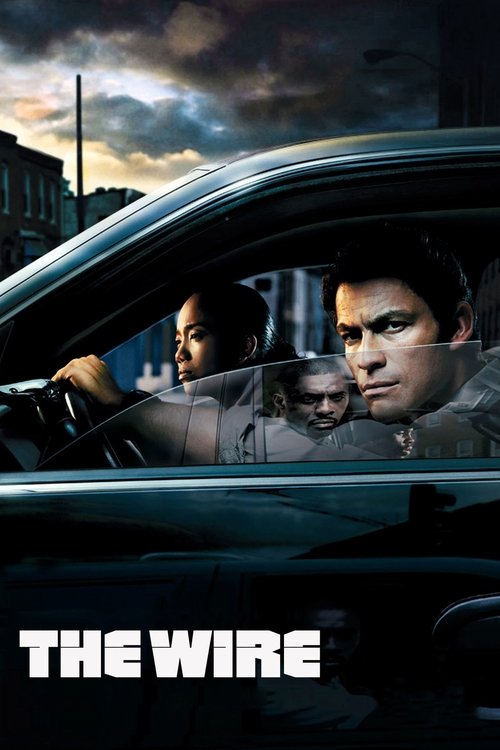
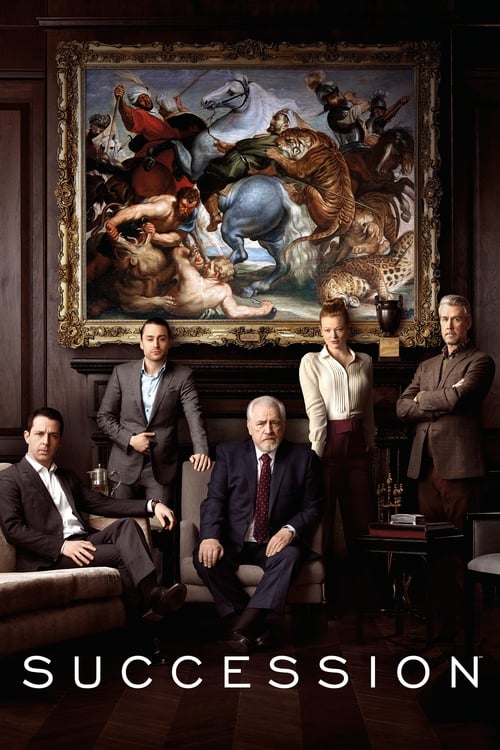
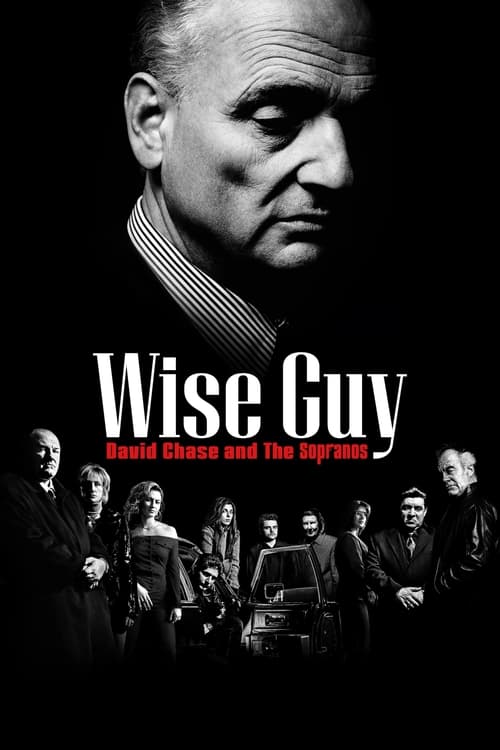
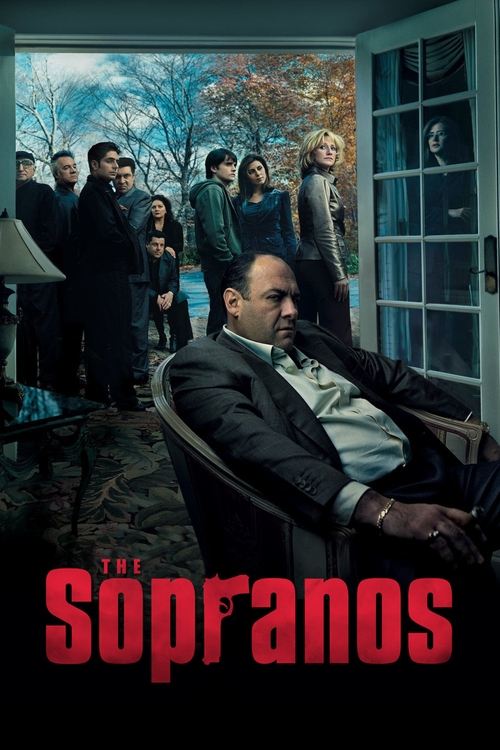
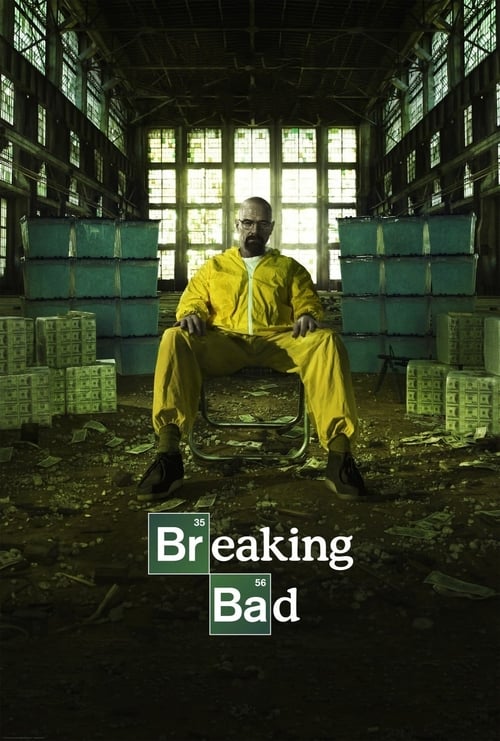
Your highest-rated titles share one structural feature: a protagonist who makes a choice that cannot be undone, then spends years justifying it. Tony Soprano, Walter White, Marty Byrde, Barry Berkman. The pleasure is not rooting for them. The pleasure is watching the logic of self-deception work in real time, step by plausible step, until you they used to be is simply gone. You are not drawn to crime as a genre. You are drawn to the specific mechanism of moral erosion. Power is your second axis. Succession, House of Cards, The Shield, Succession War. What these share is not corruption as a moral lesson but power as a performance you cannot look away from. You want to see how it gets wielded, who bends, and what the wielder sacrifices to keep holding it. The Wire rates high not because you prefer systemic stories to personal ones, but because it shows the machine eating everyone who touches it, including the people trying to fix it. Your comfort palette is narrow but real. The Drew Barrymore Show at 9 and Tales of Wells Fargo at 9 are not anomalies. They are decompression chambers. You know exactly what you are doing when you reach for them: resetting your nervous system before the next descent. What you will not tolerate is content that abandons stakes entirely for weirdness or pure whimsy. Australia You're Standing In It, Tortellini Western, Camp Lakebottom: all score at the floor. The pattern is clean. Stakes are non-negotiable.

Blind spots

  • The Americans (2013) would likely hit hard for you: it runs a slow-burn moral erosion arc across six seasons, with two protagonists who justify each new atrocity through the same self-deluding logic that makes Walter White and Tony Soprano so watchable.
  • Halt and Catch Fire (2014) sits at the intersection of your craft-and-process fascination and your appetite for characters who destroy their relationships in pursuit of something they cannot fully name, closer in structure to Wise Guy than to any conventional tech drama.
  • Deadwood (2004) would satisfy your period moral weight and your power choreography appetite simultaneously: it builds a town from nothing and shows every institution forming out of violence, compromise, and strategic cruelty, with dialogue that earns every word.

Taste tensions

  • Your comfort counterweight dimension produces a genuine contradiction: The Drew Barrymore Show scores 9, higher than Better Call Saul (8), House of Cards (8), and The Shield (8), which means when you need decompression you do not just tolerate warmth, you actively prefer it over prestige crime drama at that moment.
  • Tales of Wells Fargo at 9 is a direct challenge to your slow-burn patience dimension, because it is built entirely on episodic reset and clean moral resolution, the structural opposite of what earns 10s everywhere else in your list.

Most loved