The Folk-Horror Obsessive

You need the door locked before the horror begins.

A curated taste example. The countryside as threat. Paganism, isolation, and communities with rules no outsider understands.

0 followers · 0 following

Your Taste DNA

Narrative dimensions

Ritual enclosure ritual as an inescapable trap the protagonist walks into willingly
Slow dread accumulation doom that arrives through buildup, not sudden shock
Sunlit pastoral setting daylight and rural space as the stage for horror or warmth
Outsider enters closed community protagonist investigates a self-contained group that withholds the truth
Grief as psychological rupture grief that physically restructures how a character perceives reality
Warm communal belonging community as a source of genuine safety and earned identity
Predator mind games two intelligent parties reading each other across a power imbalance
Maker mythology a builder whose obsession with craft outlasts and reshapes their personal life

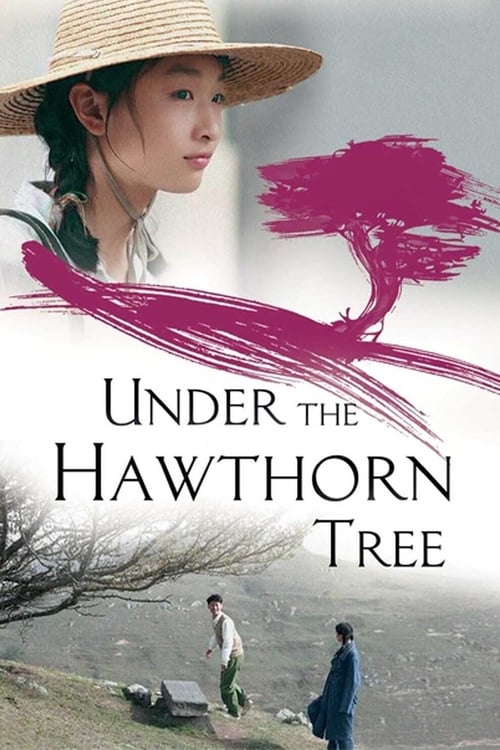
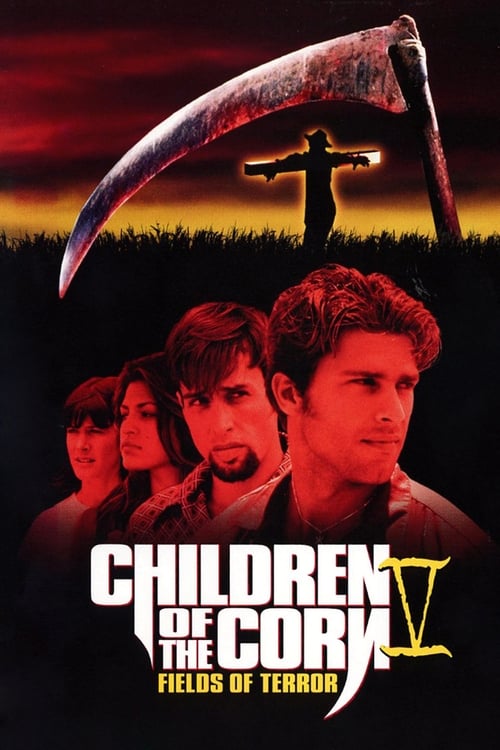
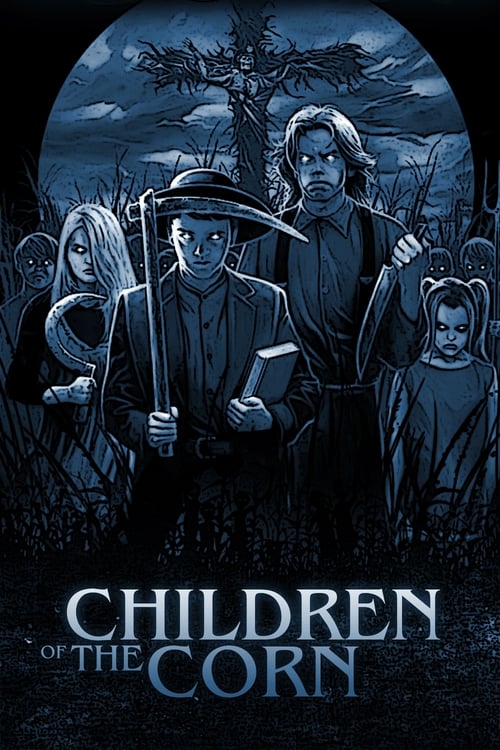
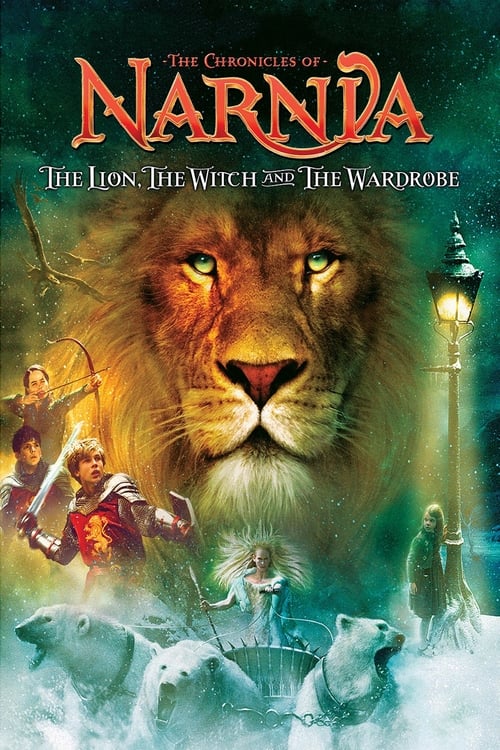
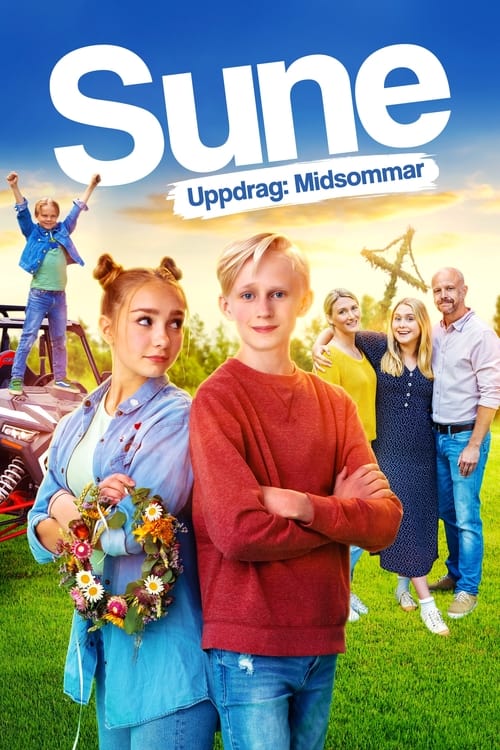
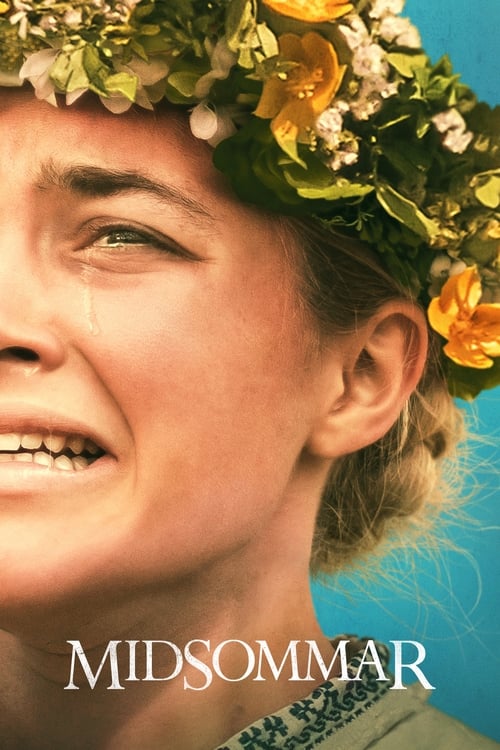
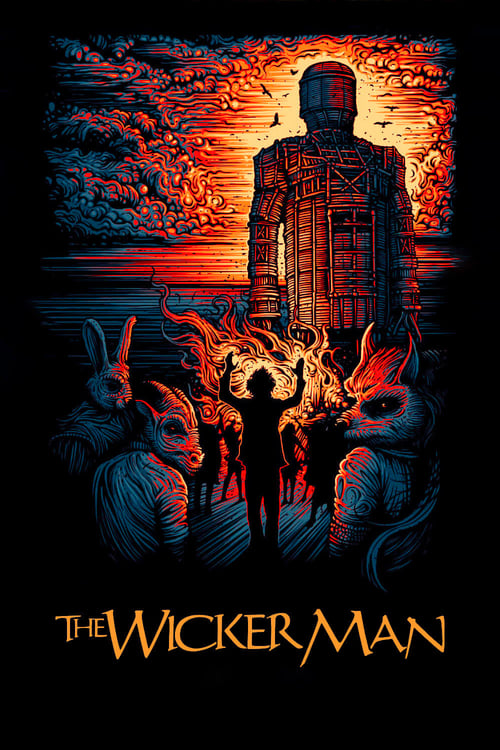
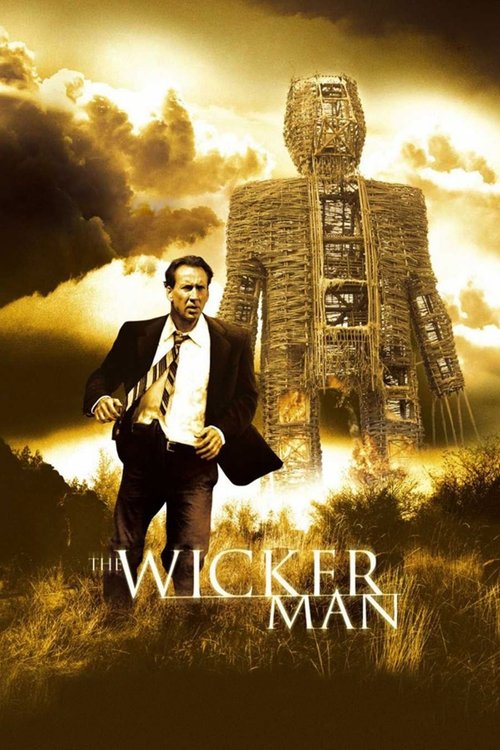
Your highest-rated titles share one structural feature: the protagonist cannot leave. Midsommar, both Wicker Man films, and the Children of the Corn entries all stage their horror as a closed system where the outsider's exit is quietly removed before they notice it is gone. The dread you return to is not the monster in the dark but the smile that means you were already chosen. Ritual is your delivery mechanism precisely because ritual makes the trap ceremonial and therefore irresistible to watch. You also hold a second, apparently opposing frequency at full volume. Sune, Under the Hawthorn Tree, and The Chronicles of Narnia all scored 9 or 10, and each places a young person inside a community that is warm, legible, and fundamentally safe. That is not a contradiction. Both clusters put community at the center and ask what it means to belong. The horror branch answers that belonging can be forced and lethal. The warmth branch answers that it can be chosen and sustaining. You are drawn to the same axis from both ends. What you consistently reject is the unanchored interior. Quiet character studies, gentle melodrama, and films that stay entirely inside one person's emotional texture (Manuela y Manuel at 1, Aamayum Muyalum at 3) score at the floor. You want a world with stakes that are external and communal, whether those stakes are a pagan bonfire or a wardrobe that opens onto a war.

Blind spots

  • The Ritual (2017) places a group of outsiders inside a Scandinavian forest cult with the same slow-withdrawal-of-exit structure that earned Midsommar and both Wicker Man films perfect scores from you, and it has never appeared in your ratings.
  • Kill List (2011) begins as a domestic crime drama and then locks its protagonists inside a folk-horror ritual climax with no warning, combining the predator mind-games of The Silence of the Lambs with the communal-trap mechanism you rate highest, and it is absent from your record.
  • Apostle (2018) is a period folk-horror film built around an outsider infiltrating an island community with a ritual at its center, matching nearly every tag that defines your top-tier ratings, and you have not rated it.

Taste tensions

  • The Wicker Man (2006), the Nicolas Cage remake that is routinely cited as one of the least competent horror films of its decade, sits at 10/10 alongside Hereditary and Midsommar, suggesting that for ritual-enclosure films you are willing to grant full marks on the basis of subject matter alone regardless of execution quality.
  • Smart Christmas (1/10) and Sune (10/10) both feature warm small-community settings and lighthearted ensemble energy, which means the surface-level warmth is not what you are responding to in Sune. The difference is that Sune gives its protagonist a goal with stakes and momentum, while Smart Christmas offers only atmosphere, and you appear to need forward motion even in your comfort watches.

Most loved