The Golden-Age Sitcom Devotee
You live for the comedy where being awful is the whole point.
A curated taste example. Single-camera, character-driven comedy with writers' rooms that trusted the ensemble. The laugh track was a crime; the writing was not.
0 followers
·
0 following

Your Taste DNA
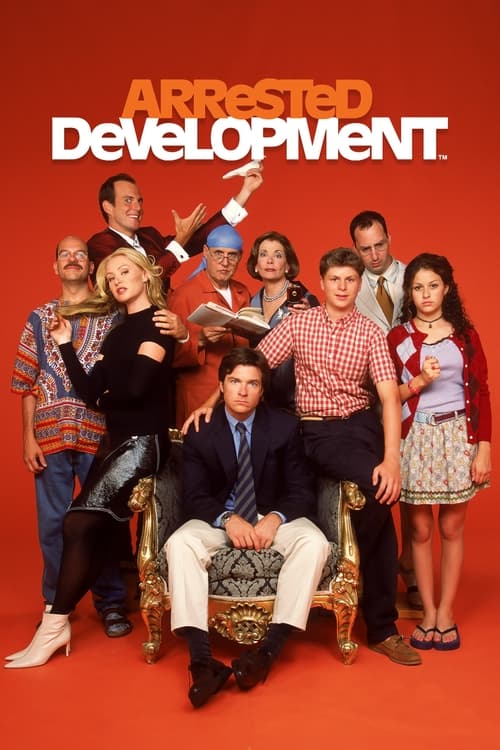
Your top-rated shows share a structural logic: characters who are selfish, delusional, or incompetent and never learn from it, played entirely for laughs. Seinfeld, Arrested Development, Curb Your Enthusiasm, and It's Always Sunny all run on the same engine, escalating consequences from moral vacancy with zero redemption arc. What you are optimizing for is not character growth but the comedic geometry of watching bad behavior compound. The satisfaction is architectural: you want to see the trap close.
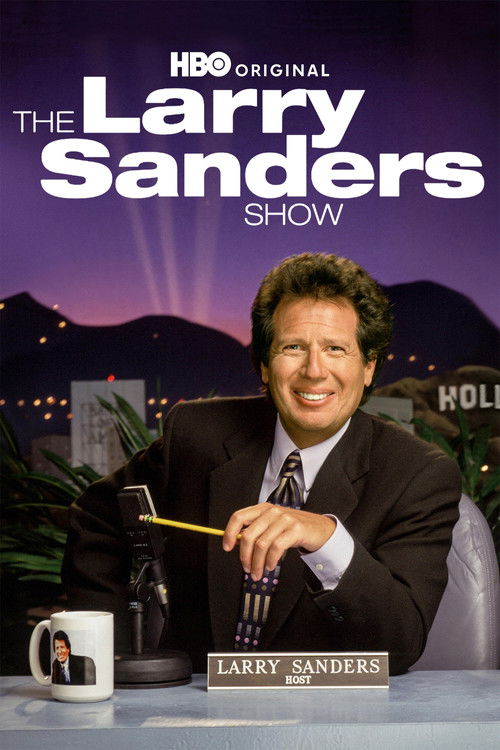
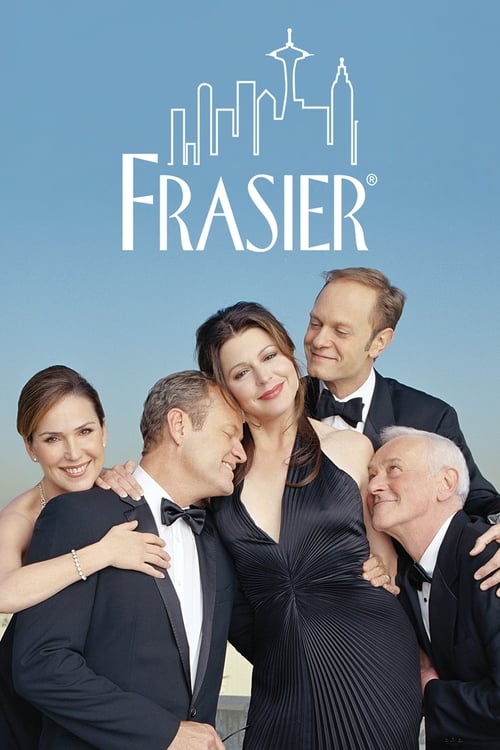
A second strong signal is verbal density as primary pleasure. Frasier, 30 Rock, The Larry Sanders Show, and Arrested Development all reward close listening, jokes are layered into dialogue rather than staged into physical gags. Pacing is fast, callbacks are structural, and wit is the currency of status between characters. Your low scores for shows that operate on atmosphere, tension, or emotional pull (Close to the Enemy, Of Money and Blood, Parantaja) confirm that slow-burn intensity without comedic payoff reads to you as empty rather than sophisticated.
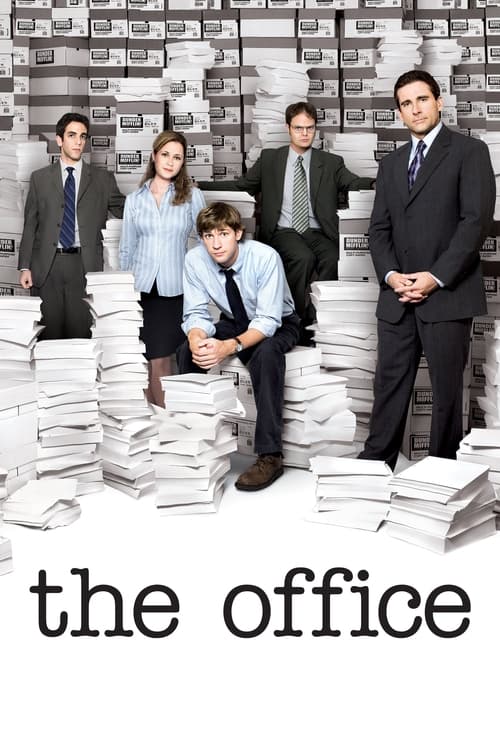
The third signal is workplace-as-pressure-cooker: Queen of the Office, The Office, 30 Rock, Parks and Recreation, and The Larry Sanders Show all use professional hierarchy as the engine for social humiliation and power games. But your 1/10 for Close to the Enemy, which also has a professional setting under pressure, makes the boundary clear: the workplace only works for you when the stakes are comedic, not tragic. Moral weight without comedic release is where you disengage.
Blind spots
-
The Thick of It (2005) is a hyper-verbal British workplace satire where political staffers compound every crisis with panicked incompetence and devastating profanity-laced wit, it hits the verbal density, cringe escalation, and moral vacancy axes simultaneously in a way almost nothing else does.
-
Better Off Ted (2009) is a workplace comedy set inside a morally bankrupt corporation whose employees are too self-interested to resist it, threading the needle between your love of deadpan delivery and professional hierarchy played for absurdist laughs, it is almost completely unknown despite being precisely calibrated to this taste profile.
-
NewsRadio (1995) is a fast-talking ensemble workplace sitcom where status games, ego sparring, and character-driven chaos run on verbal density rather than plot, it shares DNA with Frasier's rhythm and The Larry Sanders Show's behind-the-scenes insider tone without the dramatic weight that consistently drops your scores.
Taste tensions
-
Chrisley Knows Best scores 8/10 despite having almost none of your signature markers, it is sincere reality TV with no meta-awareness, no verbal wit architecture, and no moral vacancy played for laughs, which suggests that aspirational family performance and status-obsession theater satisfies something the pure comedy shows do not.
-
Dream Eater Merry scores 8/10 while Matoi the Sacred Slayer scores 2/10 despite both being anime featuring reluctant young protagonists navigating supernatural threats, the difference appears to be that Dream Eater Merry leans into soft, strange dreamscape logic while Matoi the Sacred Slayer is a procedural exorcism show, confirming that the surreal-softness pattern has a hard boundary at anything that plays its stakes straight.