Narrative dimensions
Sacred or mythic imagery corrupted into visceral flesh-horror
Resource anxiety woven into every moment, not resolved by abundance
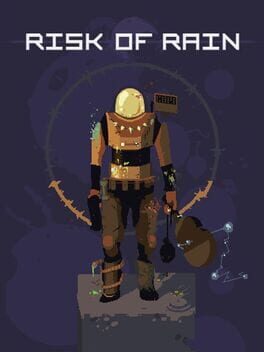
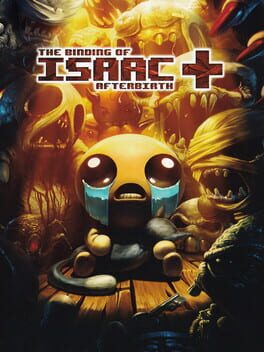
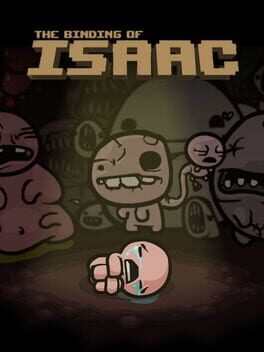
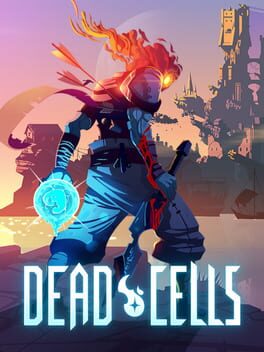
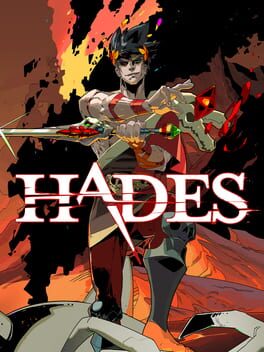
Your highest-rated games share one structural signature: death is not a setback, it is the primary delivery mechanism for narrative and mechanical knowledge. Dead Cells, both Binding of Isaac entries, Hades, Spelunky, and Risk of Rain all scored 10 or 9, and every one of them uses permadeath to make each run feel cosmically charged. You are not tolerating roguelike structure to get to the good parts, the loop itself is the experience you are optimizing for. The moment a game removes that pressure and replaces it with passive reading, scores collapse: eight visual-novel-style games landed between 1 and 3, regardless of whether their themes (body horror in Severed Love, psychological dread in In The Foundations) would otherwise appeal.
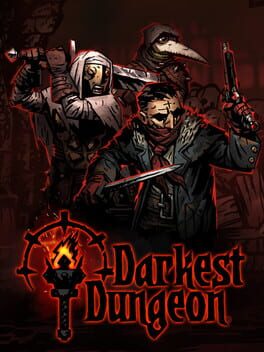
Within your roguelike preference, you respond most strongly to a specific tonal register: gothic and psychologically corroded, not merely difficult. Darkest Dungeon's stress-as-resource mechanic, Dead Cells' grim momentum, the Binding of Isaac's biblical nightmare imagery, these aren't interchangeable dark aesthetics. You reach for darkness that has structural weight, where the horror degrades something (a character's sanity, a run's stability, a body's integrity) rather than simply decorating the environment. Returnal and Inscryption both scored 8 precisely because they fold psychological dread into the mechanical loop rather than narrating it from the outside.
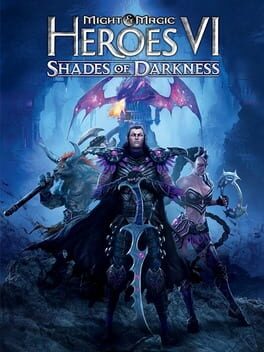
You also have a genuine appetite for strategic-layer depth that sits alongside your roguelike preference without merging into it. Might & Magic: Heroes VI, Shades of Darkness scored a 10, and Foundation and Ashes of the Singularity both landed at 7, showing that resource-economy and faction-management games satisfy a different hunger: long-arc deliberate planning as opposed to moment-to-moment adaptation. The consistent thread is systems that demand mastery and punish passivity, whether that mastery is learned across runs or across campaign turns.
 tastegraph.app